
Guide
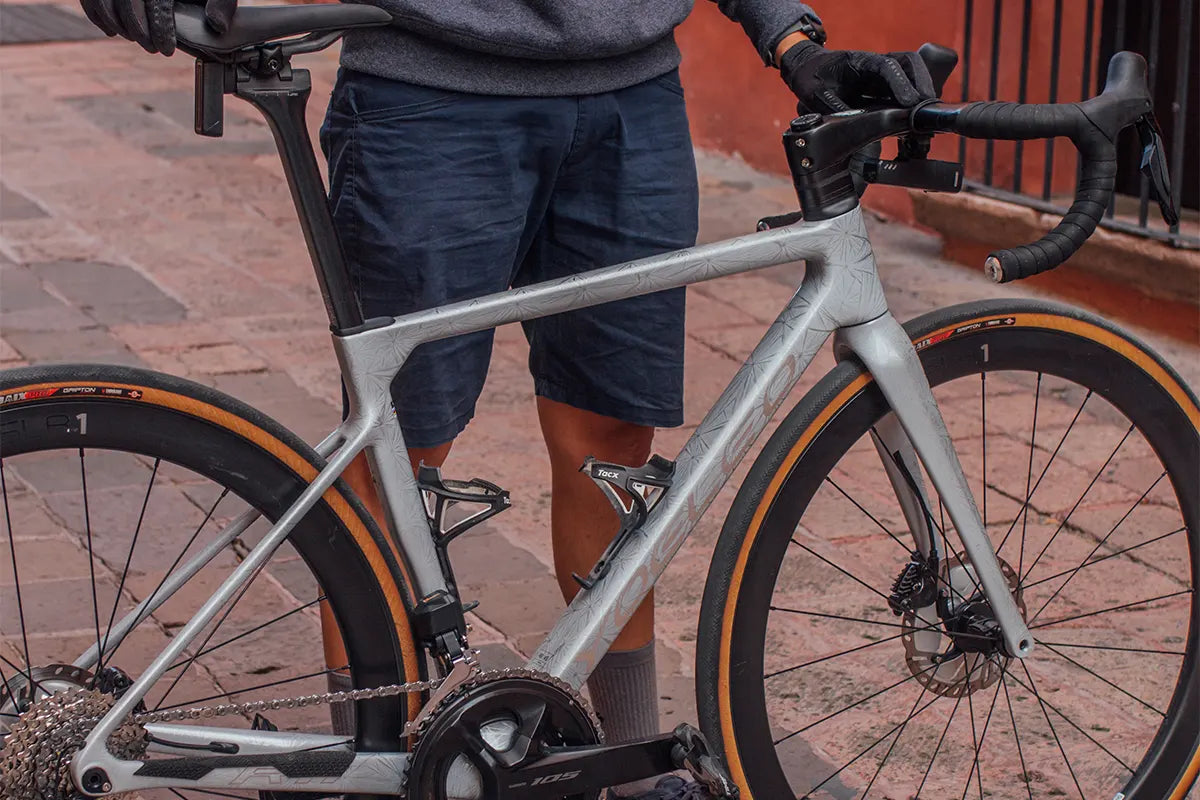
Roadside Tubeless Repair: What to Carry, In What Order
-
Follow the Escalation Order: Address punctures in strict sequence—let liquid sealant work first, insert a tubeless plug for medium holes, use an internal boot for sidewall gashes, and install an inner tube only as a final resort.
-
Leverage Gravity for Small Holes: When a puncture occurs, stop and rotate the wheel so the hole sits at the 6 o'clock position; this allows liquid sealant to pool directly over the breach.
-
Plug Without Unmounting: For 2–6 mm tread punctures, push a sticky tire plug directly into the hole using an insertion fork without removing the tire from the rim.
-
Respect Hookless Pressure Limits: Installing an inner tube into a hookless rim system does not eliminate ETRTO structural pressure caps; never exceed 72.5 psi (5 bar) regardless of whether a tube or sealant is inside.
-
Remove the Complete Tubeless Valve: When converting to a tube on the roadside, unbolt and remove the entire tubeless valve stem assembly from the rim bed before inserting the tube.
Read moreabout Roadside Tubeless Repair: What to Carry, In What Order
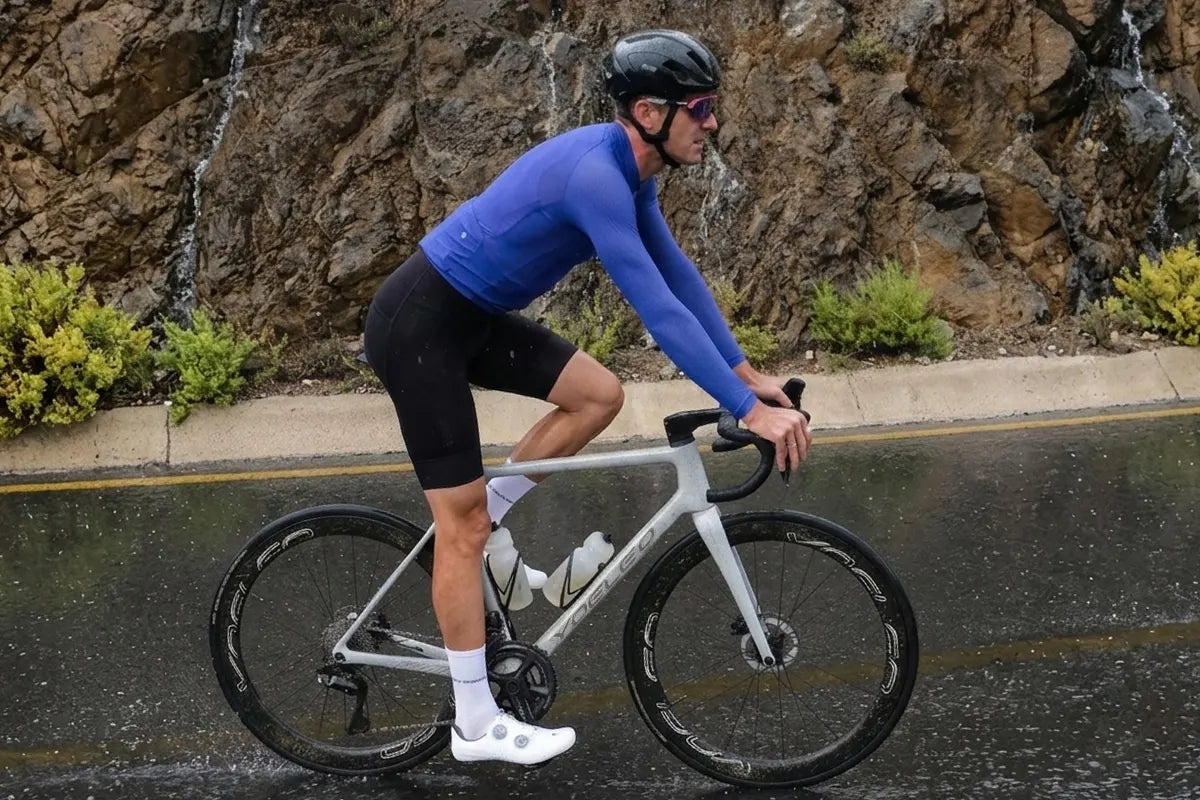
Wet-Weather Braking on Carbon Disc Wheels
Wet disc braking is limited by tyre grip, not brake power. Rain cuts your tyre traction roughly in half, doubling your stopping distance on clean wet asphalt—and tripling it over painted lines or oily patches.
-
Clear the water film: Apply light, continuous pressure to the levers early to sweep water off the rotors before squeezing harder. Avoid sudden, hard grabs.
-
Adjust body position: Shift your weight back and down to keep the rear tyre planted and prevent front-tyre slides.
-
Plan ahead: Factor in realistic reaction times—stopping from 30 km/h in the rain takes around 17 metres total. Start slowing down twice as early as you would in the dry.
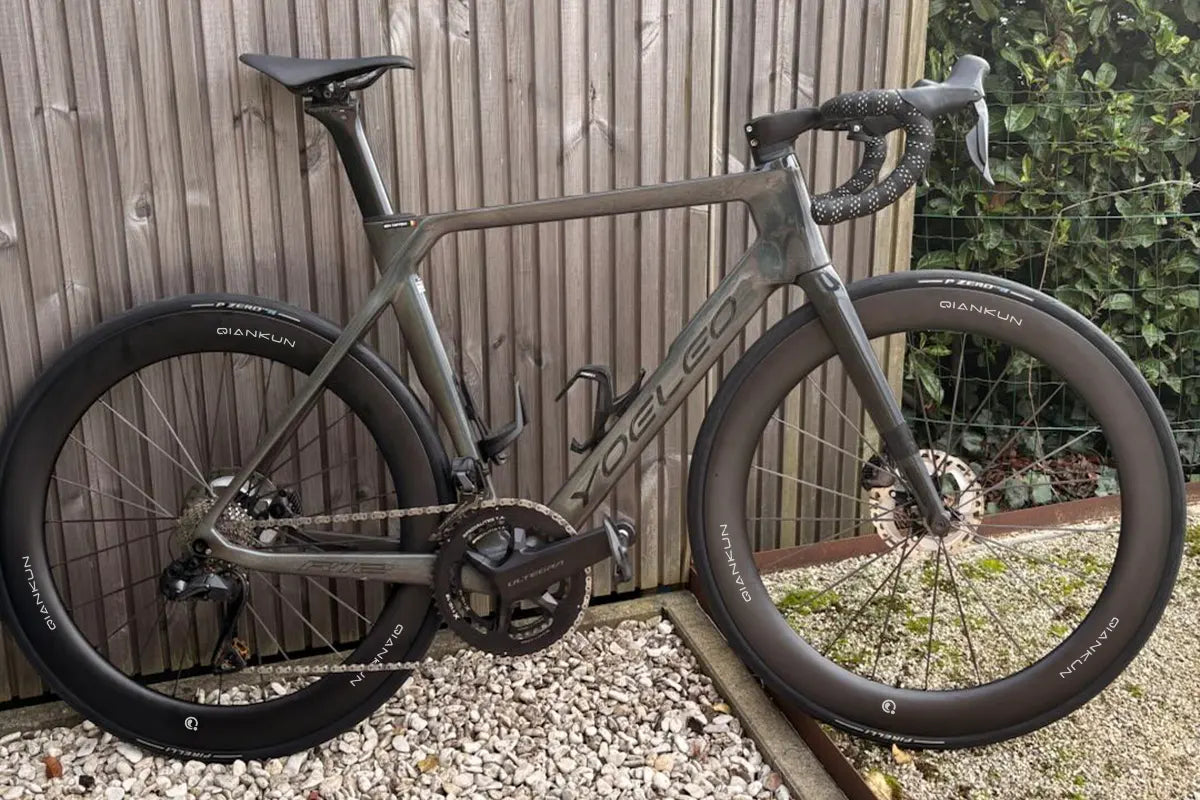
The 5-Minute Pre-Ride Check for a Self-Built Carbon Bike
Read moreabout The 5-Minute Pre-Ride Check for a Self-Built Carbon Bike
7 Bike Buying Myths That Cost Cyclists Real Money
Read moreabout 7 Bike Buying Myths That Cost Cyclists Real Money
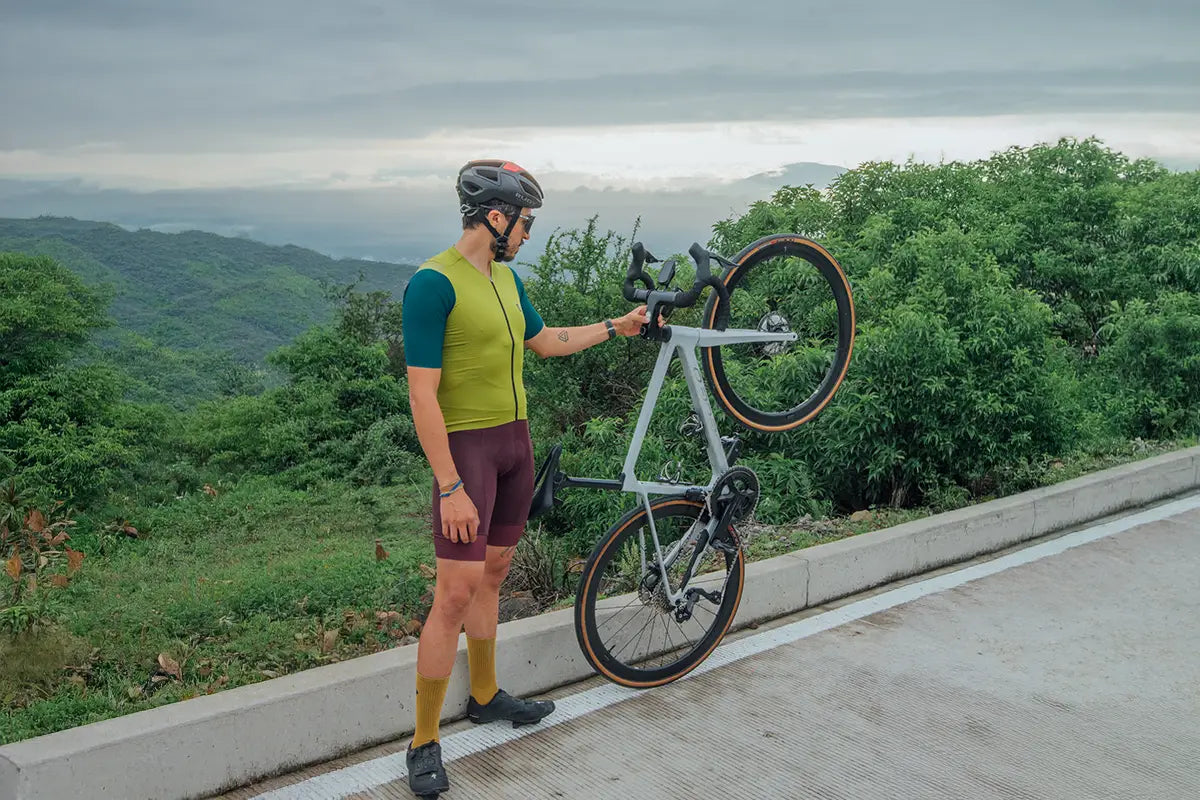
How Light Should a Bike Really Be? The Truth About Weight, Performance & Buying Smart
Read moreabout How Light Should a Bike Really Be? The Truth About Weight, Performance & Buying Smart
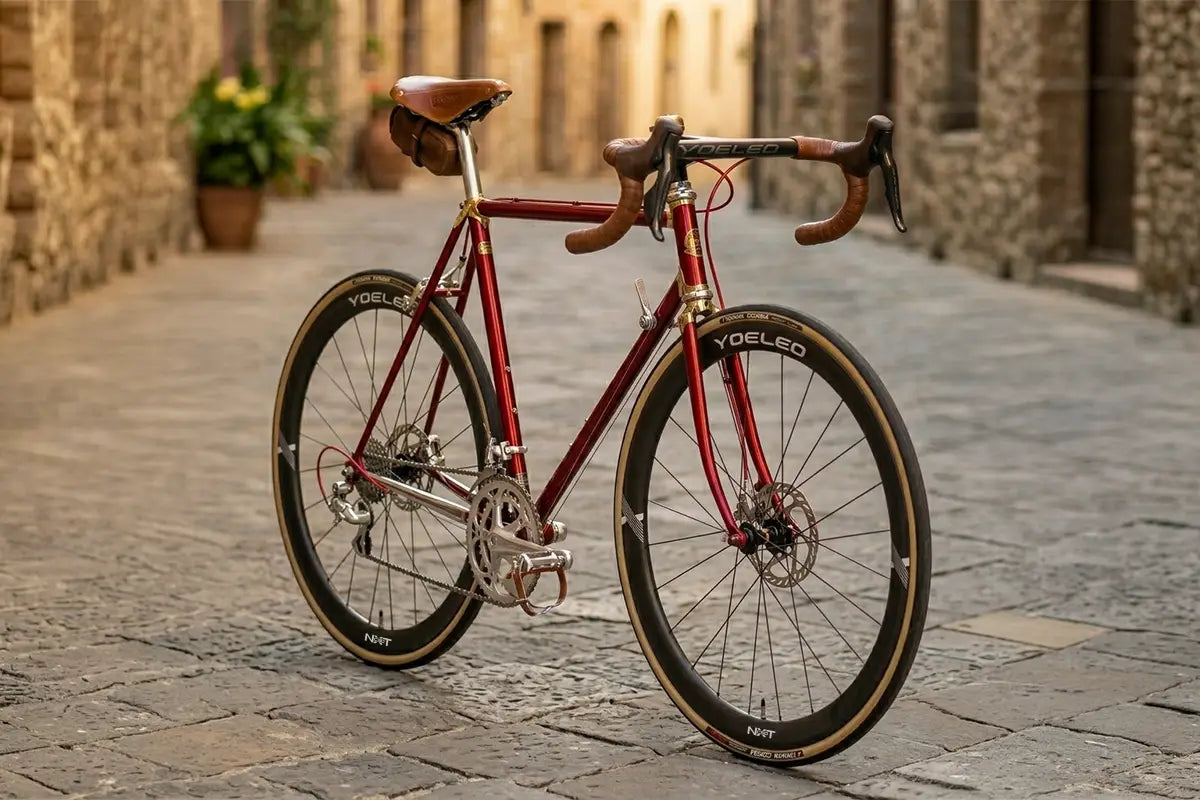
Old Bike Upgrade Roadmap: Where to Spend First
Read moreabout Old Bike Upgrade Roadmap: Where to Spend First
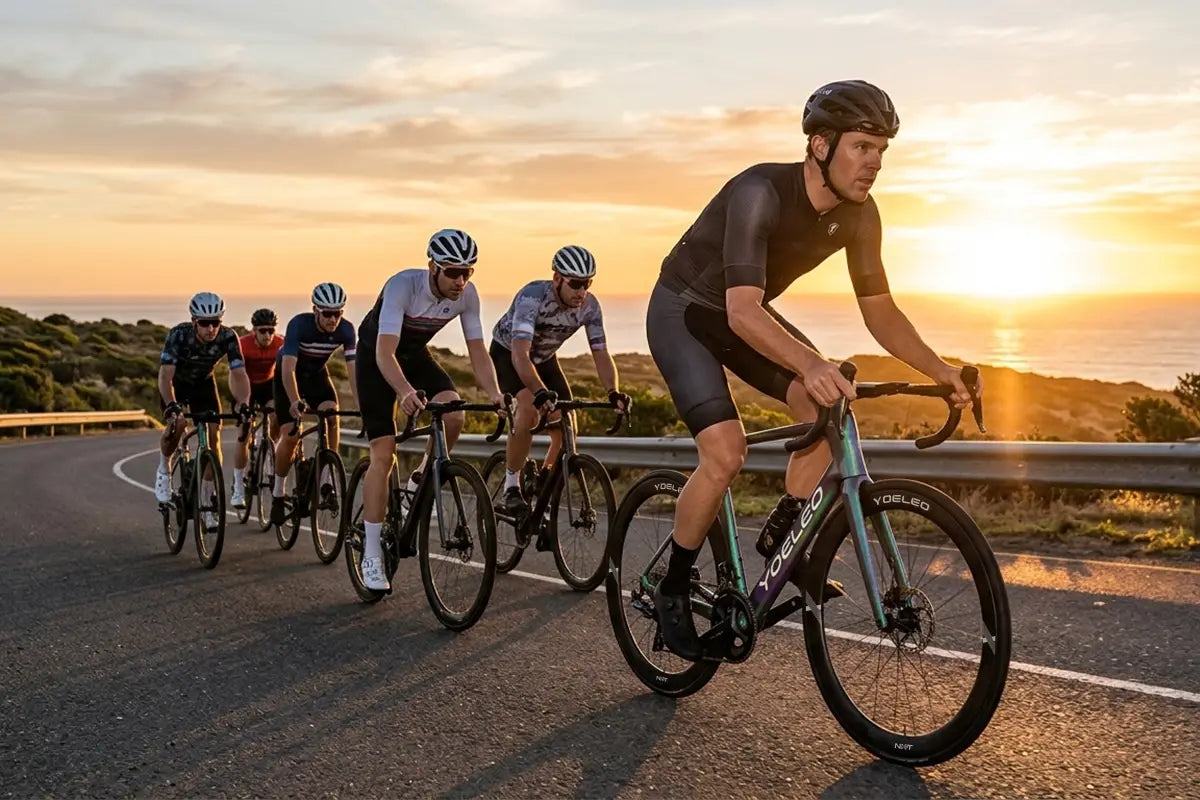
7 Cycling Myths Keeping Beginners Slow | Yoeleo
Most new road cyclists slow themselves down with seven beliefs the data simply does not support: lighter is always faster, aero is for racers only, narrow tires roll faster, carbon is fragile, only Western brands are trustworthy, you need a whole new bike to get faster, and custom paint takes too long to be worth it. Replace each of these with what testing and real-world riding actually show, and you ride smarter from week one.
Read moreabout 7 Cycling Myths Keeping Beginners Slow | Yoeleo