
Guides
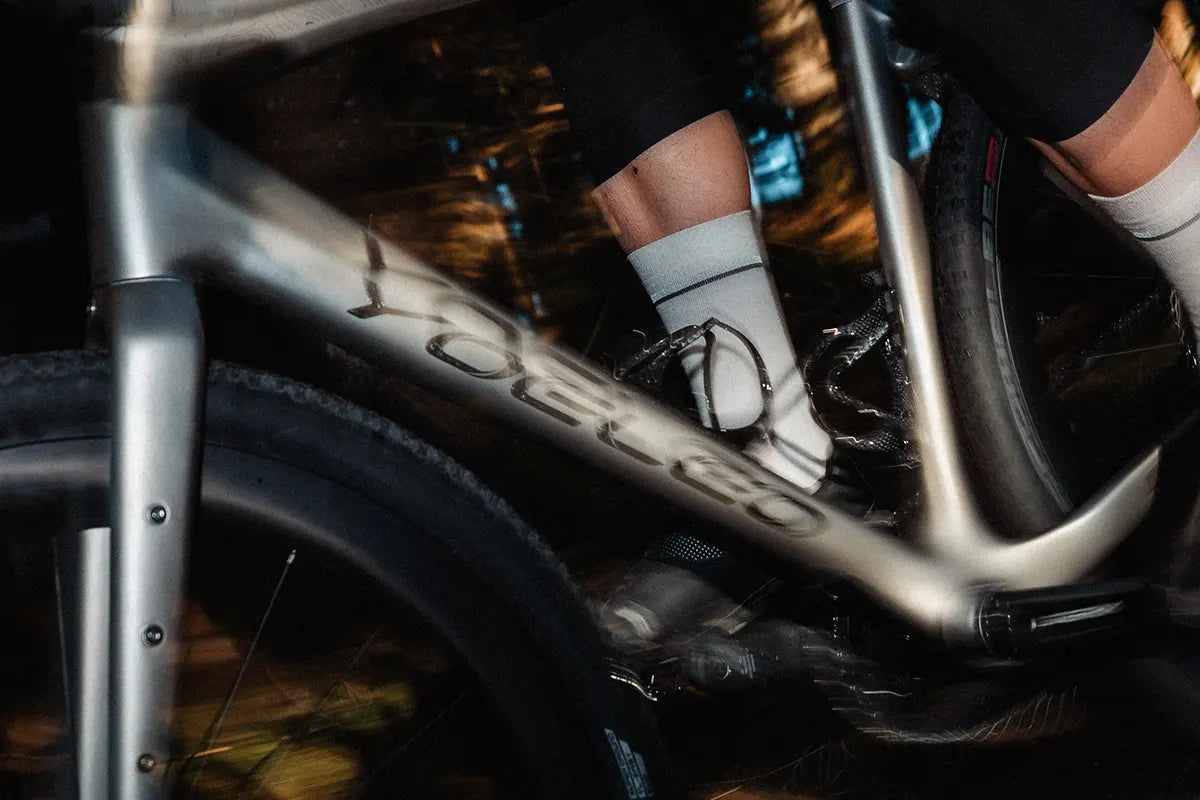
Threaded Insert Care: Stop Stripping Bottle Cage and Bolt Holes
-
Carbon Is Safe, Inserts Fail: Bottle cage bolts thread into aluminum or stainless steel inserts bonded into the carbon frameset, not into the carbon fiber itself.
-
Use the Right Lube: Apply a dab of anti-seize or waterproof grease to bottle cage bolts. This prevents galvanic corrosion, which seizes the steel bolt inside the aluminum insert and causes it to spin.
-
Chase Threads First: If an M5 bolt strips but the insert remains securely bonded, running an M5x0.8 tap through the hole can often reform the damaged threads without replacing parts.
-
Replace, Don't Upsize: If threads are completely destroyed, do not drill the hole out to an M6 size. A specialist can extract the damaged M5 insert and compress a new M5 rivnut into the existing carbon bore.
-
Respect Torque Limits: Small M5 accessory bolts require only 3–4 Nm of torque. Always use a calibrated micro-torque wrench.
Plussur Threaded Insert Care: Stop Stripping Bottle Cage and Bolt Holes
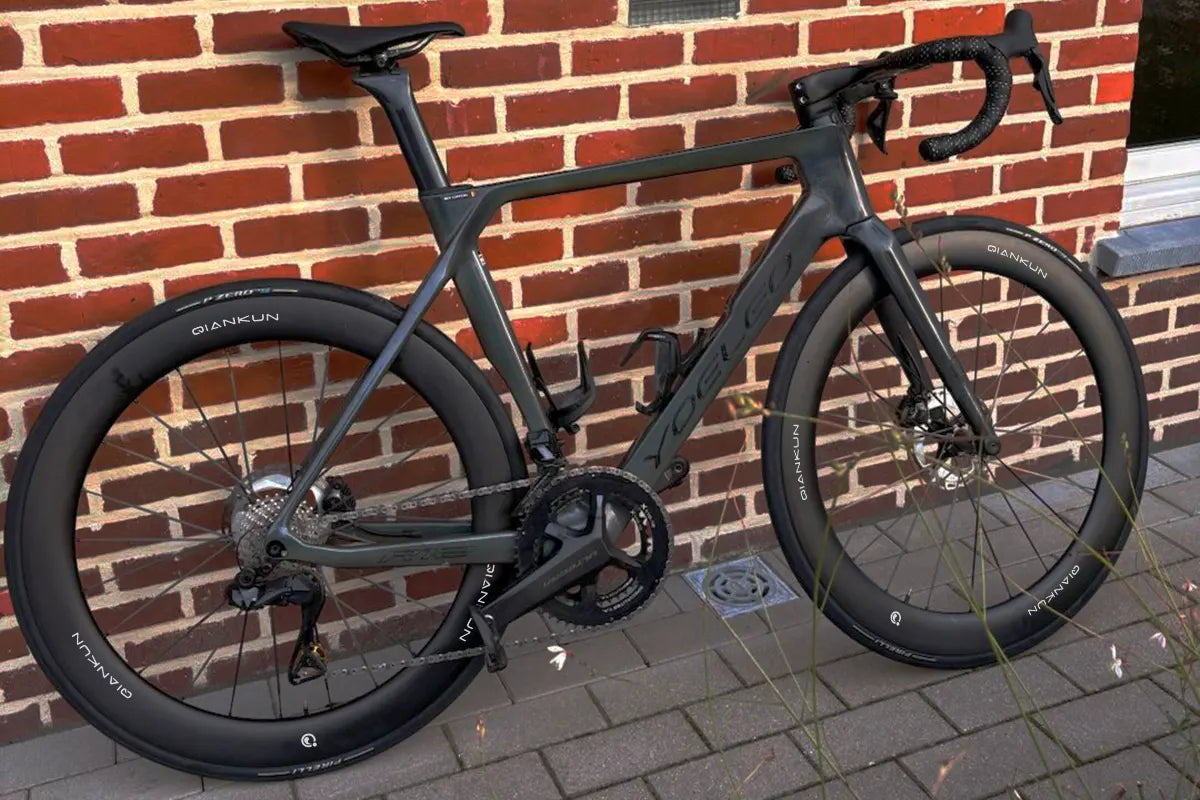
Is It Safe to Put a Carbon Frame on a Smart Trainer?
-
Load Path Shift, Not Load Increase: Direct-drive trainers alter how forces travel through a carbon frameset, removing tire flex while directing lateral motion through fixed rear dropouts.
-
Fatigue-Tested Strength: Quality carbon framesets undergo rigorous fatigue testing (e.g., ISO 4210 standards) that far exceeds the pedaling and lateral forces generated during indoor training.
-
Axle Alignment Is Critical: Forced or misaligned thru-axles introduce static pre-load stress; always thread axles by hand to ensure zero binding before applying final torque.
-
Sweat Is the Primary Threat: Salt and moisture cause severe galvanic corrosion on metal hardware and bearings; protect the frameset with a sweat guard and wipe down all dropouts immediately post-ride.
-
Rocker Plates Offer Feel, Not Survival: Rocker platforms add natural sway and improve comfort, but a correctly installed direct-drive trainer is completely safe on a rigid floor.
Plussur Is It Safe to Put a Carbon Frame on a Smart Trainer?
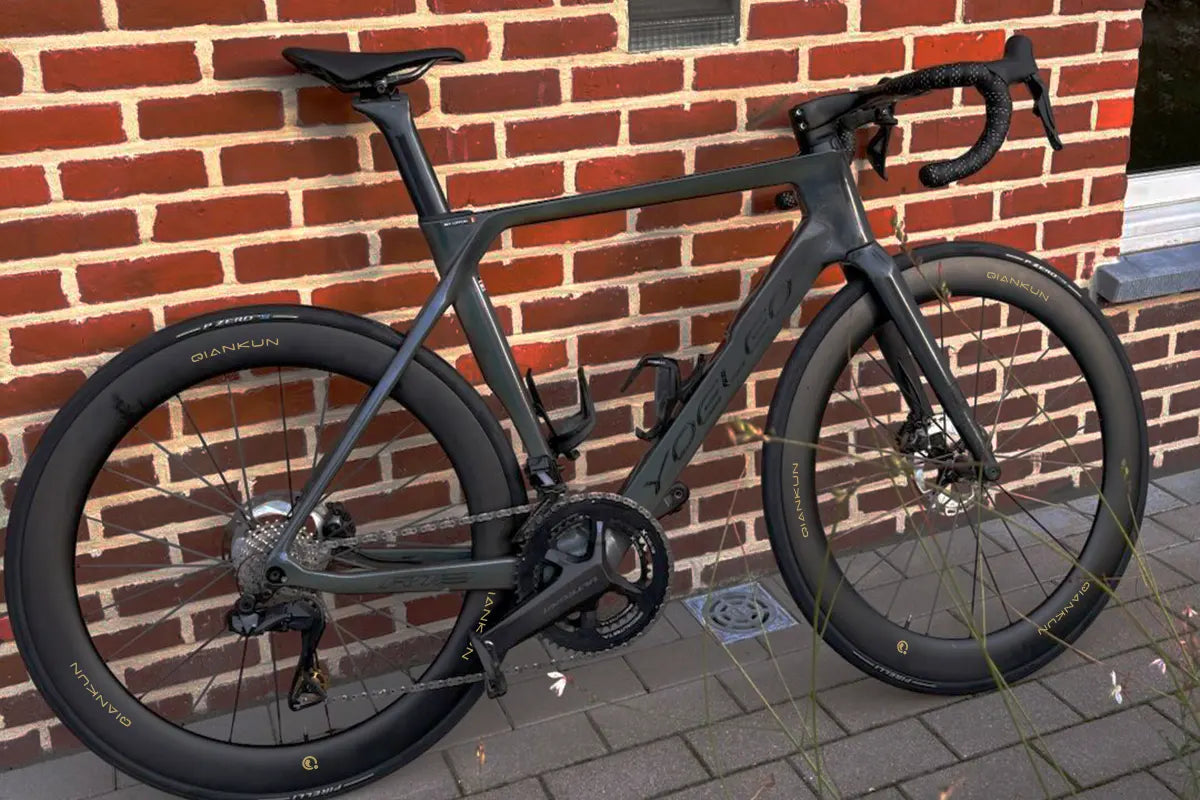
Off-Season Storage: Putting a Carbon Bike Away for Three Months
Most of that is achievable in most homes without a dedicated bike room. A spare bedroom, a dry basement, or a garage with a dehumidifier all sit comfortably in that humidity band. What doesn't work is an unheated shed or an attic that swings from freezing to over 35°C (95°F) across a season; the temperature swing itself matters less than the condensation it causes as the bike moves between zones.
Plussur Off-Season Storage: Putting a Carbon Bike Away for Three Months
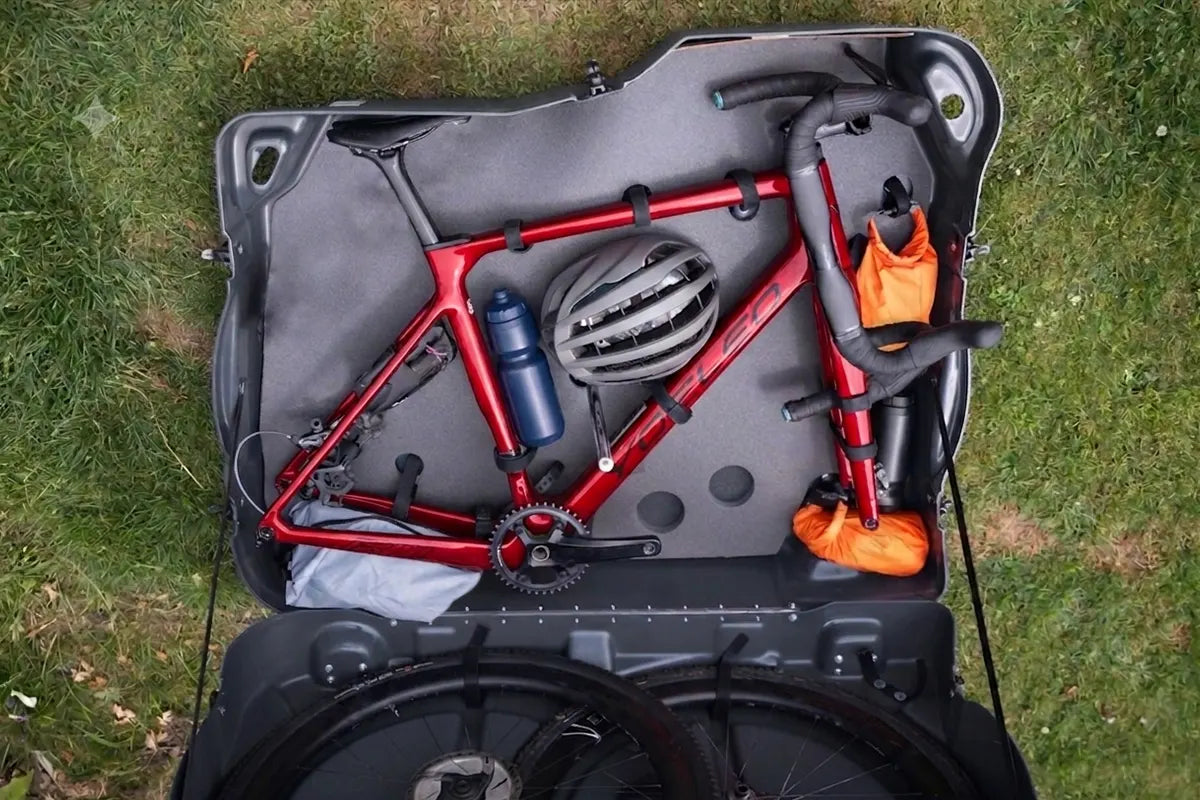
Flying With a Carbon Frameset: Packing So Nothing Cracks
Most damage happens in two ways: something rigid presses directly on a tube, a case wall flexing under stacked weight, a wheel jammed against the top tube, or something loose inside the case shifts during handling and hits a tube edge-on. Both are solved the same way, by removing anything that can move and padding the points that can't be removed.
Plussur Flying With a Carbon Frameset: Packing So Nothing Cracks
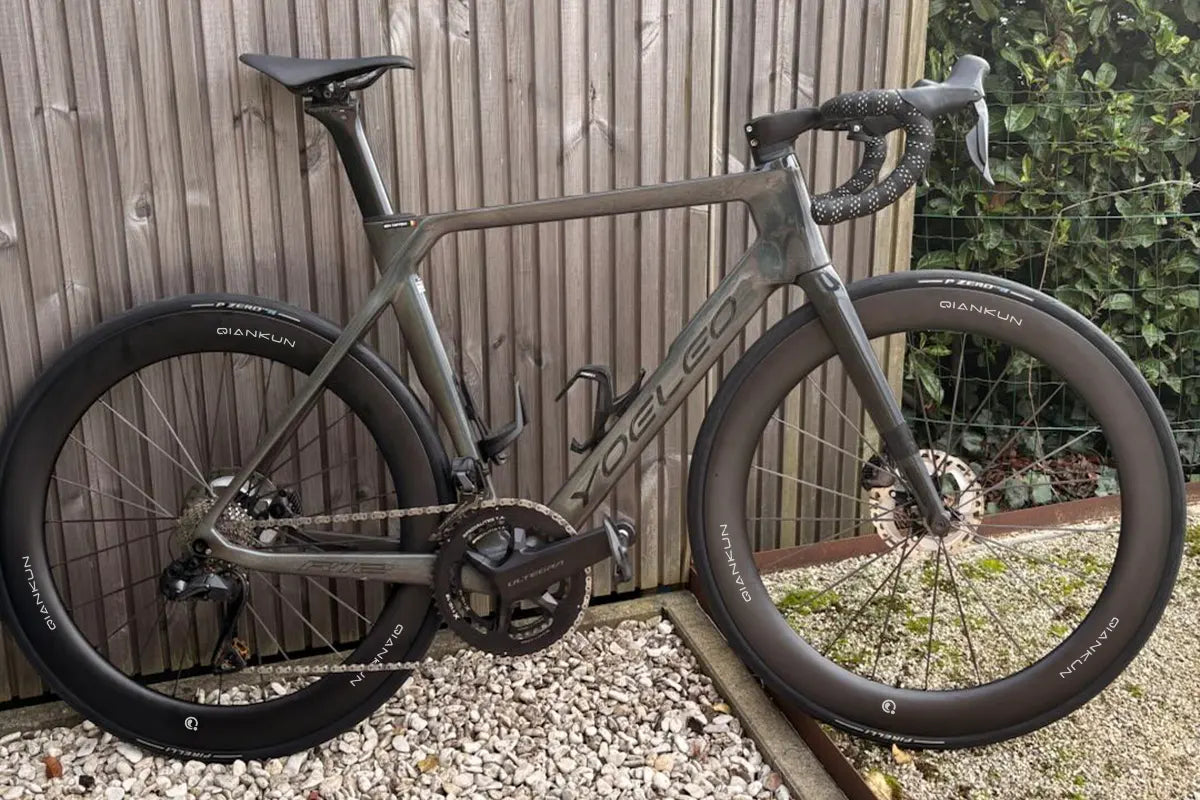
The 5-Minute Pre-Ride Check for a Self-Built Carbon Bike
Plussur The 5-Minute Pre-Ride Check for a Self-Built Carbon Bike
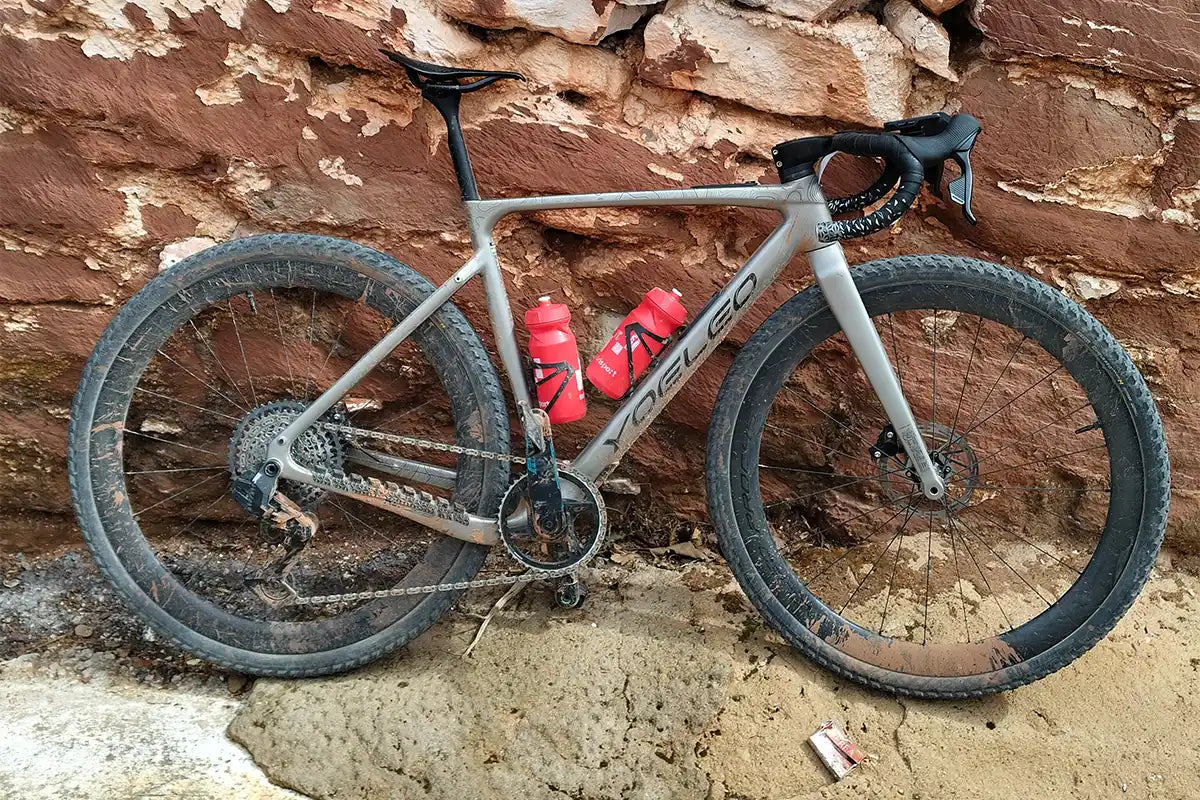
How to Wash a Carbon Bike Without Wrecking It

DTC Carbon Bike Experience: 3 Frameset Build Stories
Plussur DTC Carbon Bike Experience: 3 Frameset Build Stories

7 Bike Buying Myths That Cost Cyclists Real Money

First 200km Cycling Story: A DTC Carbon Build Journey
Plussur First 200km Cycling Story: A DTC Carbon Build Journey