
Guide

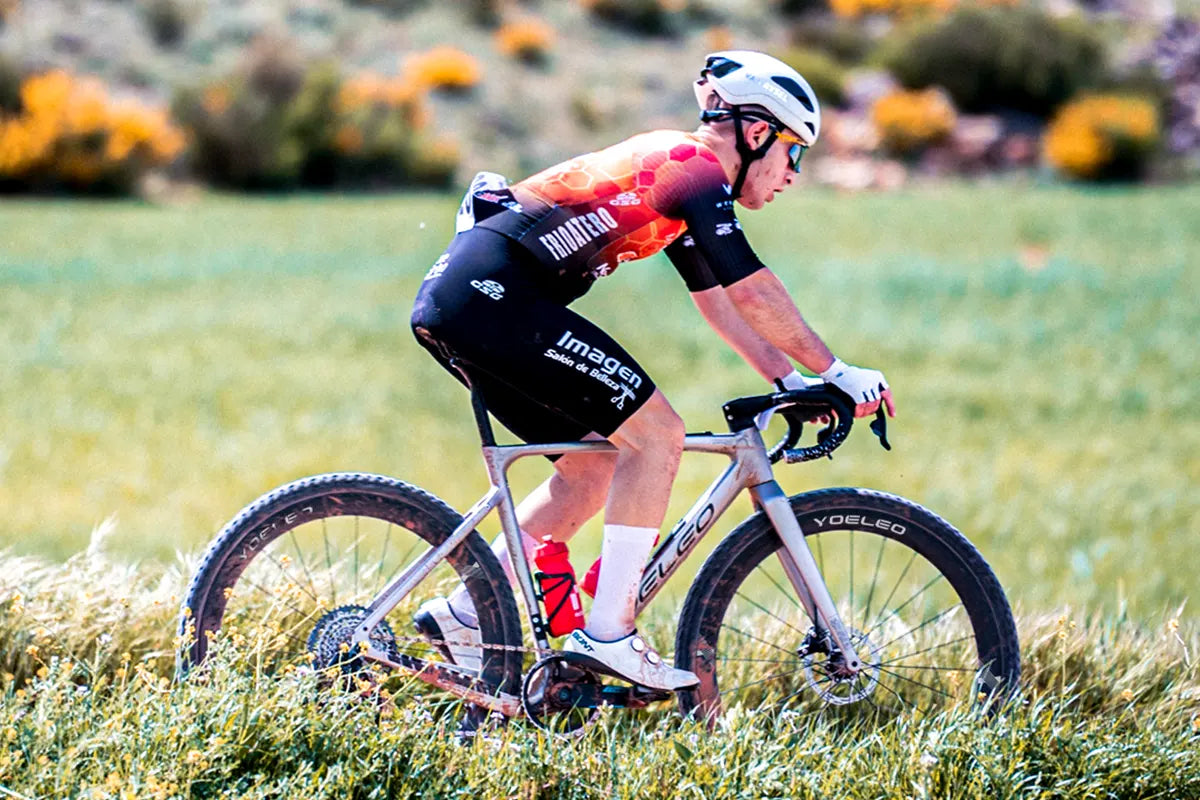
Rider in a gravel race using Yoeleo Altera G21

Marginal Gains Cycling: What's Worth It and What Isn't
MARGINAL GAINS IN 30 SECONDS
• Rider position is the single largest aerodynamic variable available to most cyclists — and it costs nothing to improve.
• Tire choice and pressure have a larger effect on rolling resistance than almost any component upgrade.
• Wheels are the highest-return component upgrade for speed: rotating mass and aerodynamic drag both matter, and they compound.
• Most 'marginal gains' products operate on gains so small they are within the noise of day-to-day variation in rider output.

Plussur Marginal Gains Cycling: What's Worth It and What Isn't

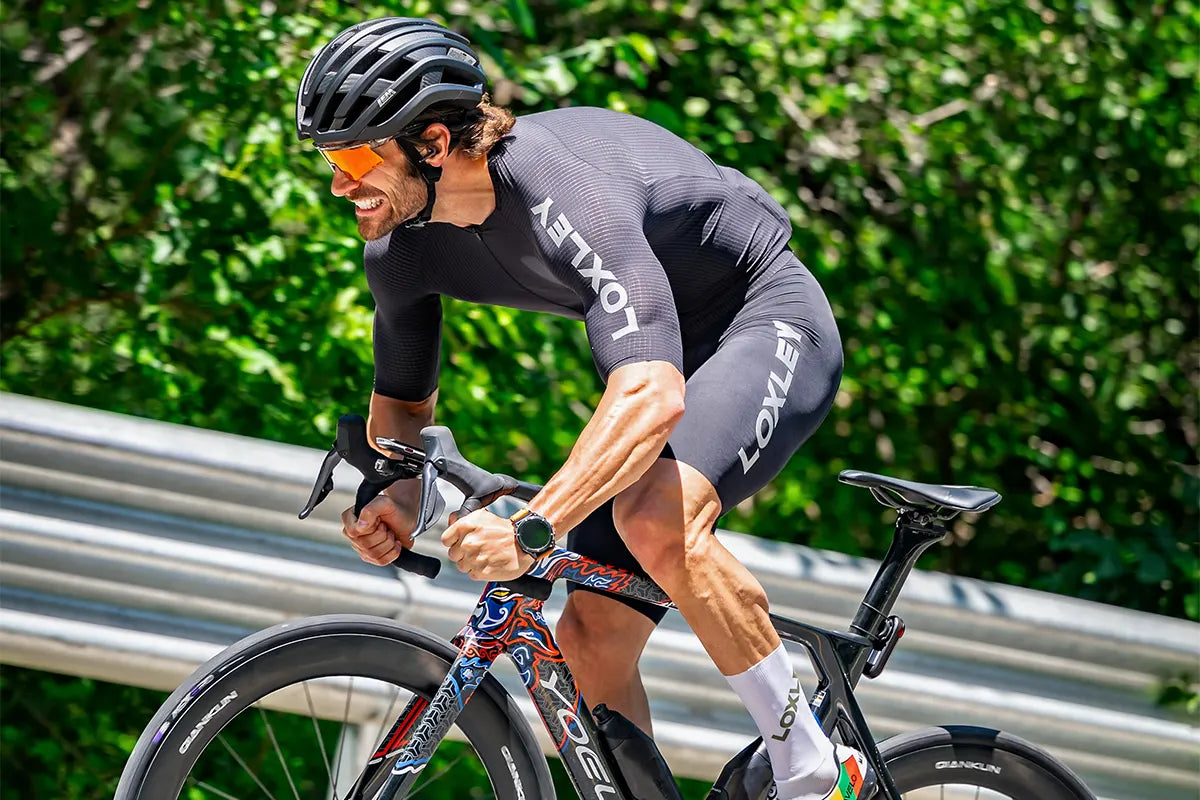
Rider in flat aero position

Cycling Aero Position Tips: Free Rider Position Audit
RIDER POSITION AUDIT IN 30 SECONDS
• The rider is ~70–80% of total aerodynamic drag on a road bike at 35–45 km/h — position optimization outperforms all component upgrades on this variable.
• Three free adjustments move the most: back angle, hand position on the bars, and head/shoulder behavior.
• Most position inefficiencies are visible in photos or video — a five-minute recording session on a ride reveals what a mirror does not.
• Hardware (integrated cockpit, deeper wheels) amplifies a good position; it does not fix a poor one.

Plussur Cycling Aero Position Tips: Free Rider Position Audit

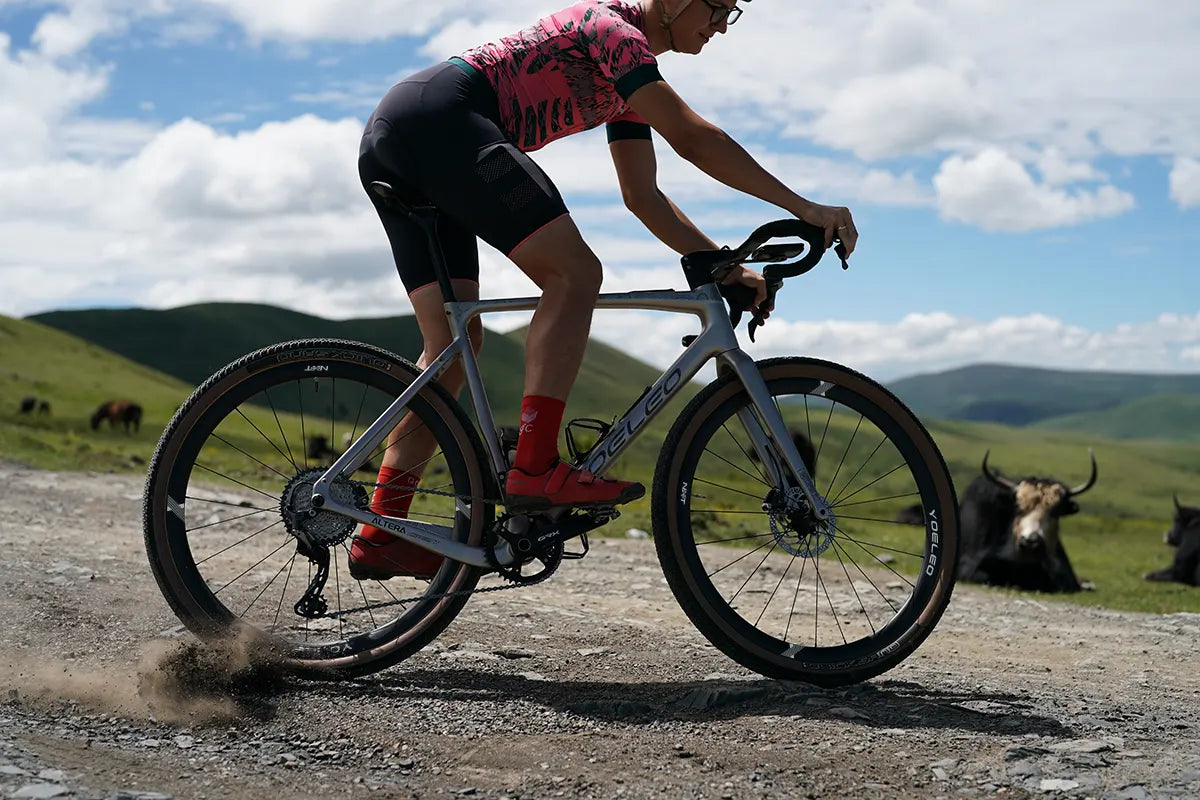
Yoeleo Altera G21 on gravel track

DTC Carbon Bike Experience: 3 Frameset Build Stories
DTC CARBON EXPERIENCE IN 30 SECONDS
• The most common hesitation is 'what if something goes wrong' — and the most common finding is that it doesn't, or when it does, the brand's direct support channel resolves it faster than a retailer would.
• Riders who have built from a DTC frameset consistently report that the research process itself increases their confidence in the final setup.
• The saving over a comparable retail-brand build is real and significant — and most riders reinvest it into components, fit, or a second build.
• The bike you build yourself is the bike you understand. That tends to matter more than expected over years of ownership.

Plussur DTC Carbon Bike Experience: 3 Frameset Build Stories

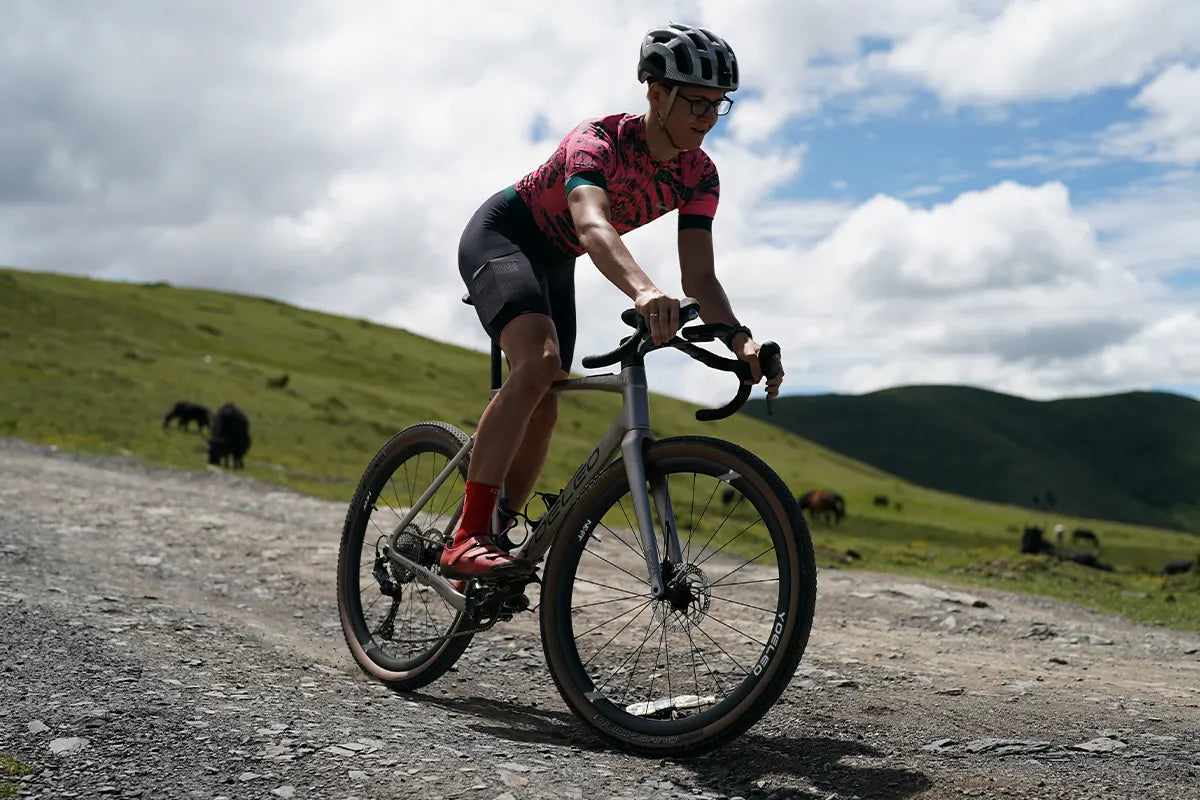
Yoeleo Altera G21 cruising in gravel

7 Bike Buying Myths That Cost Cyclists Real Money
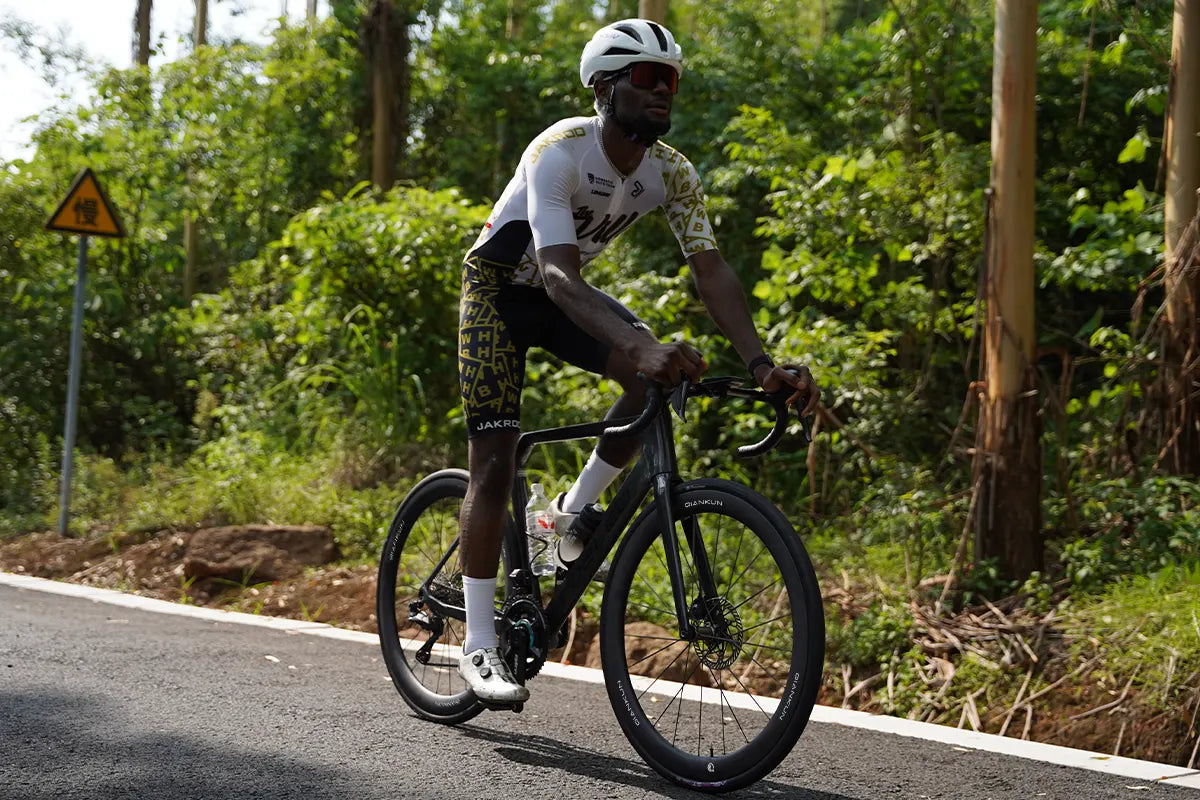
BIKE BUYING MYTHS IN 30 SECONDS
• Price and quality have a weak relationship above a certain threshold — what you are paying for changes dramatically at higher price points.
• A test ride on a shop floor is one of the least reliable ways to evaluate a long-distance bike.
• Brand recognition is a marketing output, not an engineering specification.
• The most useful information when buying a carbon bike is test data and independent validation — not price or brand name.

Plussur 7 Bike Buying Myths That Cost Cyclists Real Money

Rider using Yoeleo R12 for double century ride

First 200km Cycling Story: A DTC Carbon Build Journey
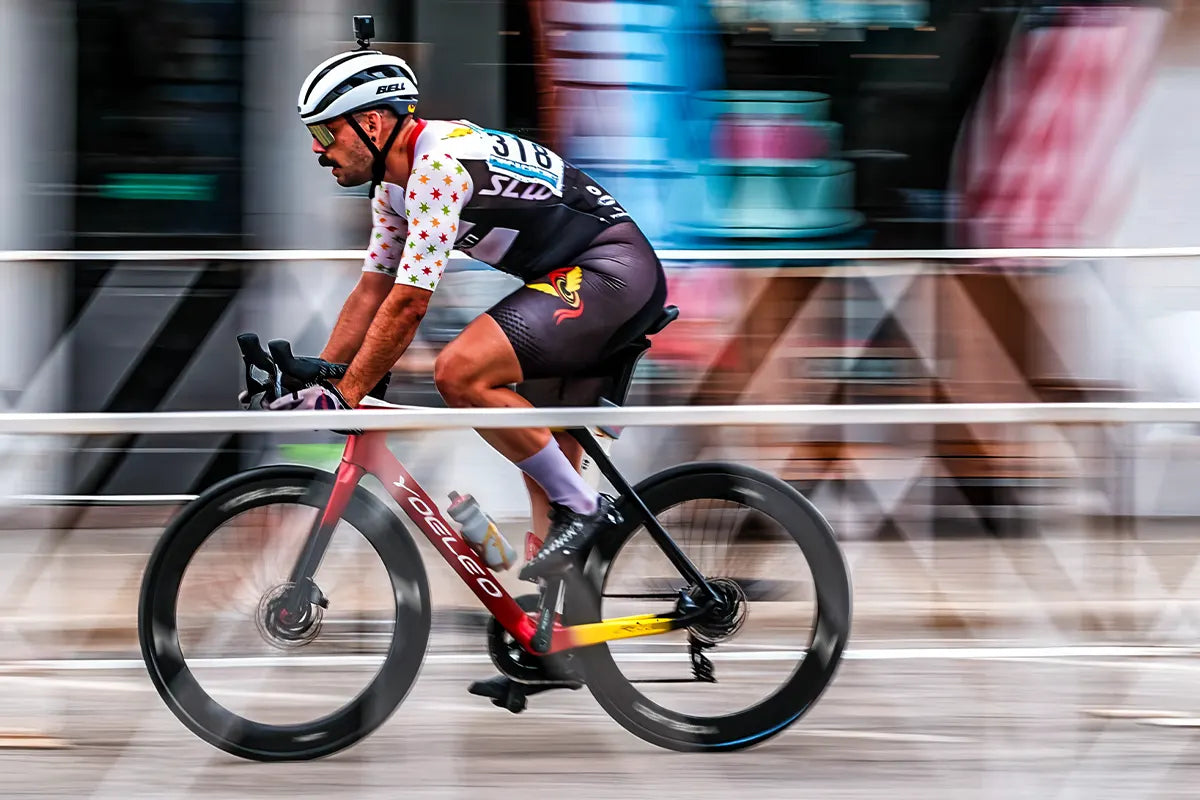
FIRST 200 KM IN 30 SECONDS
• Most riders who complete a first double-century say the training preparation — not the fitness — was the hardest part to get right.
• Back-to-back long days (e.g., 120 km Saturday + 90 km Sunday) teach the body more than single long efforts.
• Setup matters: rider position, saddle comfort, and tire pressure have more impact on a 200 km day than any single component spec.
• The bike becomes visible only at the end of the day — when it either let you down or simply wasn't a factor.

Plussur First 200km Cycling Story: A DTC Carbon Build Journey

Rider on comfortable position during race

Road Bike Comfort on Long Rides: 5 Setup Changes
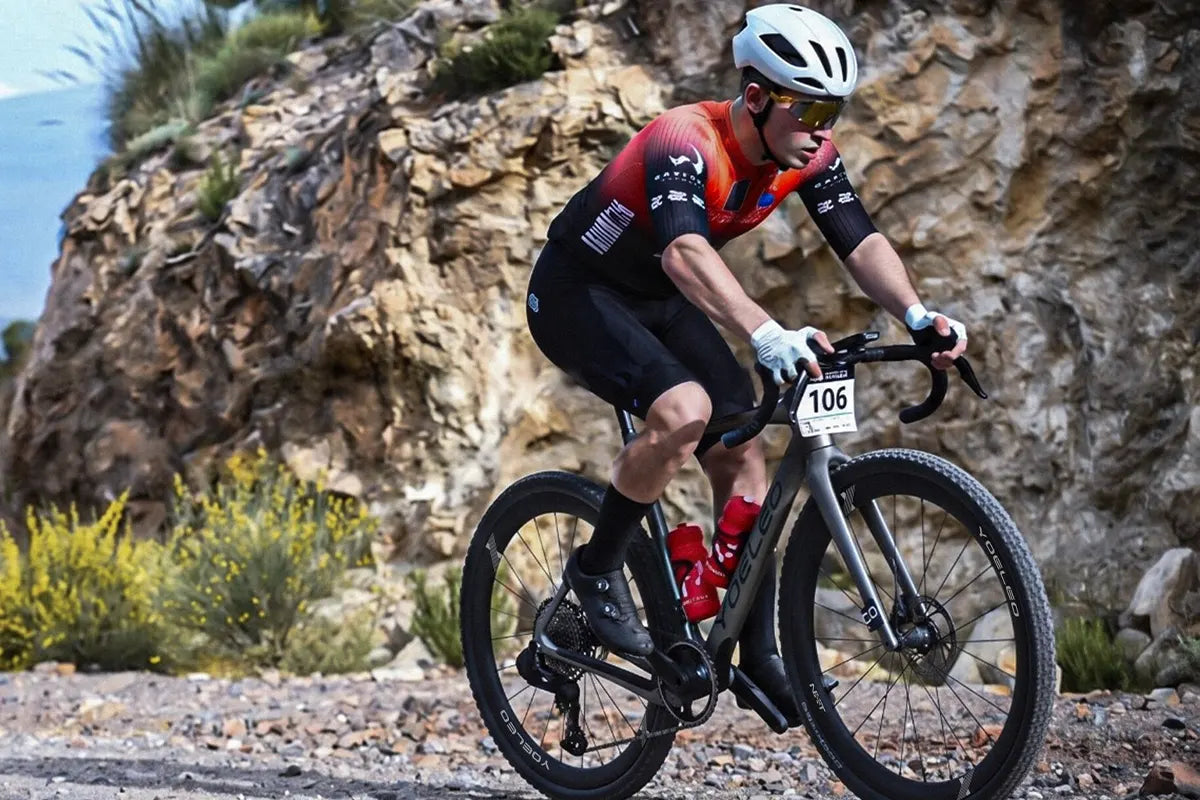
LONG-DISTANCE COMFORT IN 30 SECONDS
• Most long-ride pain is a setup problem, not a fitness problem — fix the bike before blaming the body.
• Five changes have the highest evidence-to-effort ratio: saddle height and tilt, reach and stack, handlebar width, tire pressure and volume, and contact-point padding.
• Order matters: start at the saddle and work forward — each change affects the next.
• You can refine most of these at home with a hex key, a plumb line, and two rides to test.

Plussur Road Bike Comfort on Long Rides: 5 Setup Changes

Rider using Yoeleo Altera G21 for gravel racing

First Gravel Race Prep: 6-Week Training and Kit Checklist
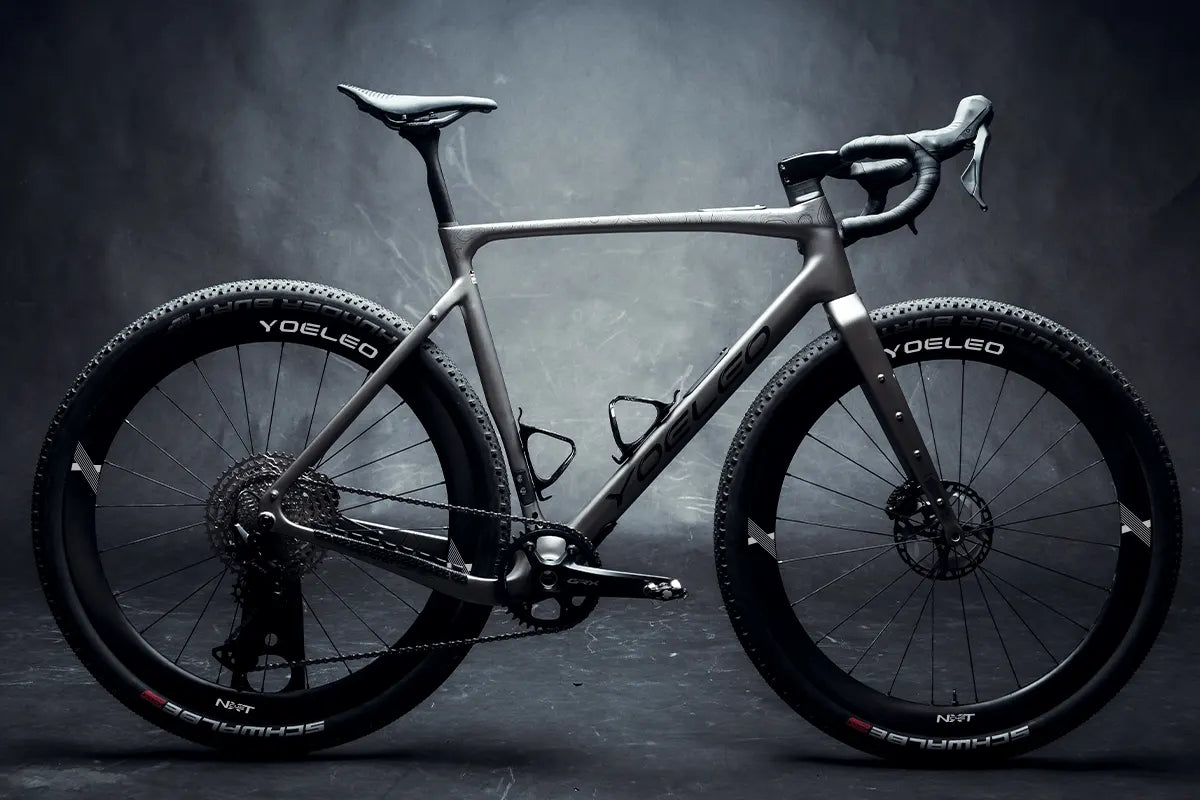
FIRST GRAVEL RACE IN 30 SECONDS
• Six weeks is enough time to prepare for most first gravel events if you have a base of regular riding
• Tire choice and pressure are the most race-defining bike decisions — get these right in training, not on race morning
• Nutrition starts at the start line, not when you feel hungry — practise your plan in training
• The bike check (week 5) matters: a mechanical on race day is more common than a fitness failure for first-timers

Plussur First Gravel Race Prep: 6-Week Training and Kit Checklist

Yoeleo Altera G21 using H21 integrated handlebar

Carbon Bike Torque Specs: The 10-Minute Habit Guide
CARBON TORQUE IN 30 SECONDS
• Carbon has a lower crush resistance than its tensile and compressive fibre strength — over-torquing a bolt crushes the matrix between fibres, creating micro-cracks that grow over time.
• The three highest-risk interfaces on a road or gravel bike are: seatpost clamp, stem face plate, and bar-to-stem clamp. These are also the three most commonly over-tightened by riders who 'go by feel.'
• Carbon assembly paste (friction compound) is not optional — it allows correct clamping force at lower torque values, eliminating the guesswork and reducing stress on the carbon.
• A quality beam-style or click-type torque key pays for itself the first time it prevents a cracked seatpost clamp or crushed handlebar.

Plussur Carbon Bike Torque Specs: The 10-Minute Habit Guide

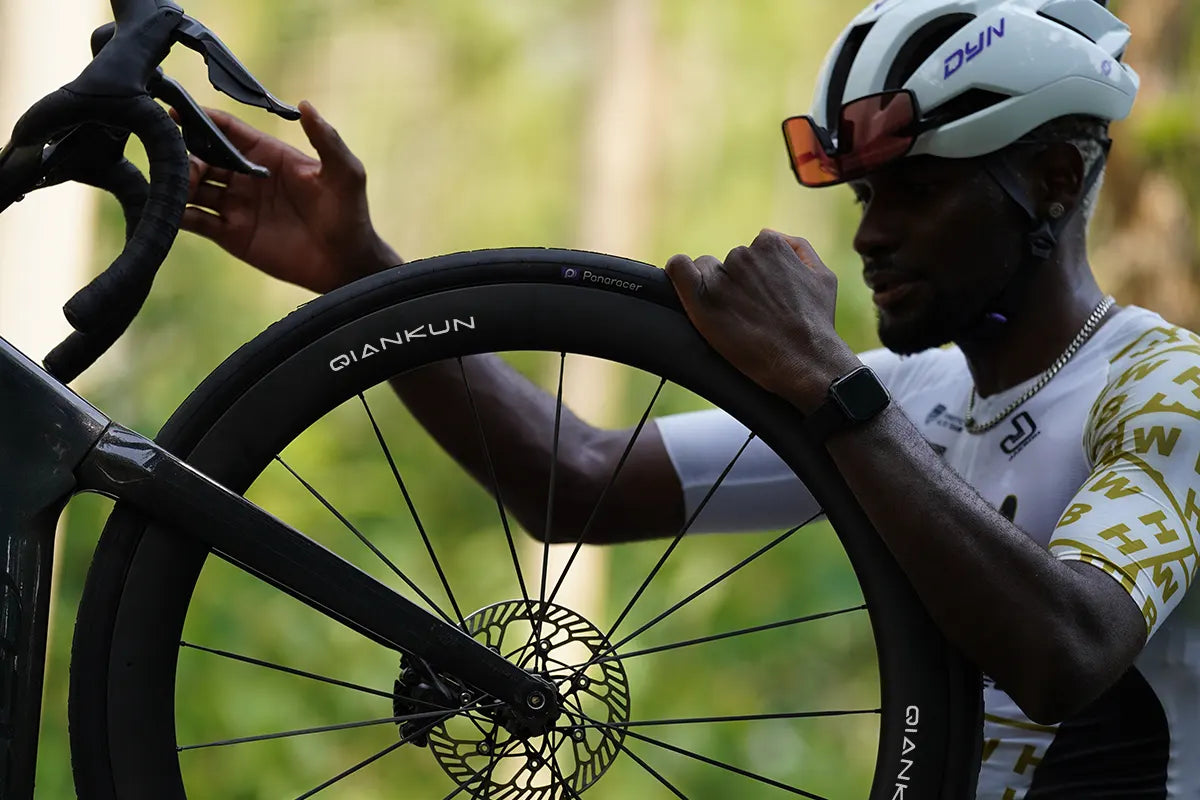
Rider inspecting deep carbon wheel

Frame vs Wheels Upgrade: Which Comes First?

THE UPGRADE DILEMMA IN 30 SECONDS
• For most riders on a sound frame, upgrade the wheels first
• Wheels change aero, rotating mass, and feel — and they move to your next bike
• Upgrade the frame when fit, geometry, age, or aero integration is the real limit
• Wheels hold value and transfer; a frame's value is locked to one bike

Plussur Frame vs Wheels Upgrade: Which Comes First?