
Wheels
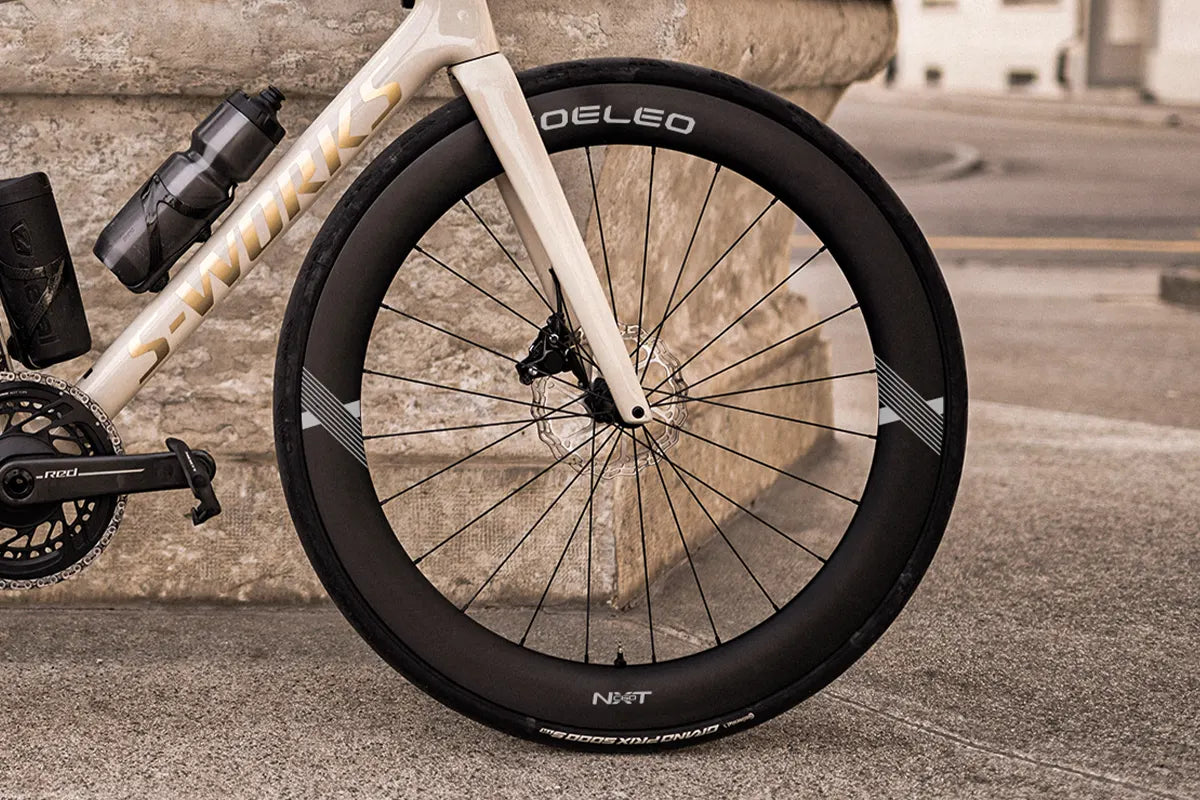
Wheel Fatigue Testing Explained: What the Numbers Mean
-
ISO 4210 is the international safety standard for commercial bicycle wheels. Passing its baseline protocols is a legal minimum for market entry, not a badge of performance excellence.
-
Fatigue testing (cycles and force) simulates thousands of pedal strokes to ensure a wheel's spoke bed, rim layup, and hub flanges can handle repeated riding loads without cracking over time.
-
Impact testing (joules) measures a rim’s structural response to sudden, severe strikes like hitting potholes or square-edged curbs. Both the ISO 4210 protocol and the UCI vertical impact standard (required for mass-start racing) utilize a baseline threshold of 40 Joules.
-
The critical question for any premium wheel data: What exact load threshold was used, how many production samples were tested, and were the figures independently verified?
Read moreabout Wheel Fatigue Testing Explained: What the Numbers Mean
How to Read Wheel Reviews Without Getting Fooled
Read moreabout How to Read Wheel Reviews Without Getting Fooled
Internal Rim Width & Real Tire Size: The Full Guide
Read moreabout Internal Rim Width & Real Tire Size: The Full Guide
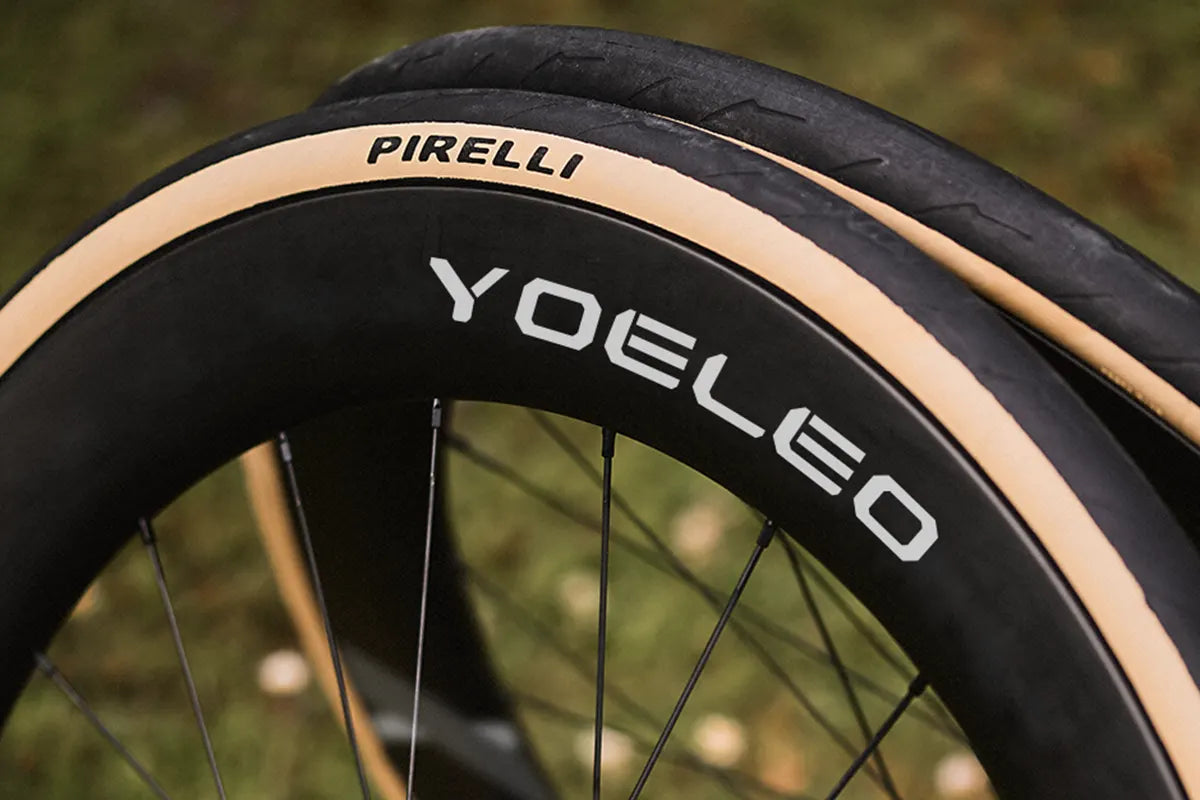
Your First Carbon Wheelset: How to Pick the Right Depth
Read moreabout Your First Carbon Wheelset: How to Pick the Right Depth
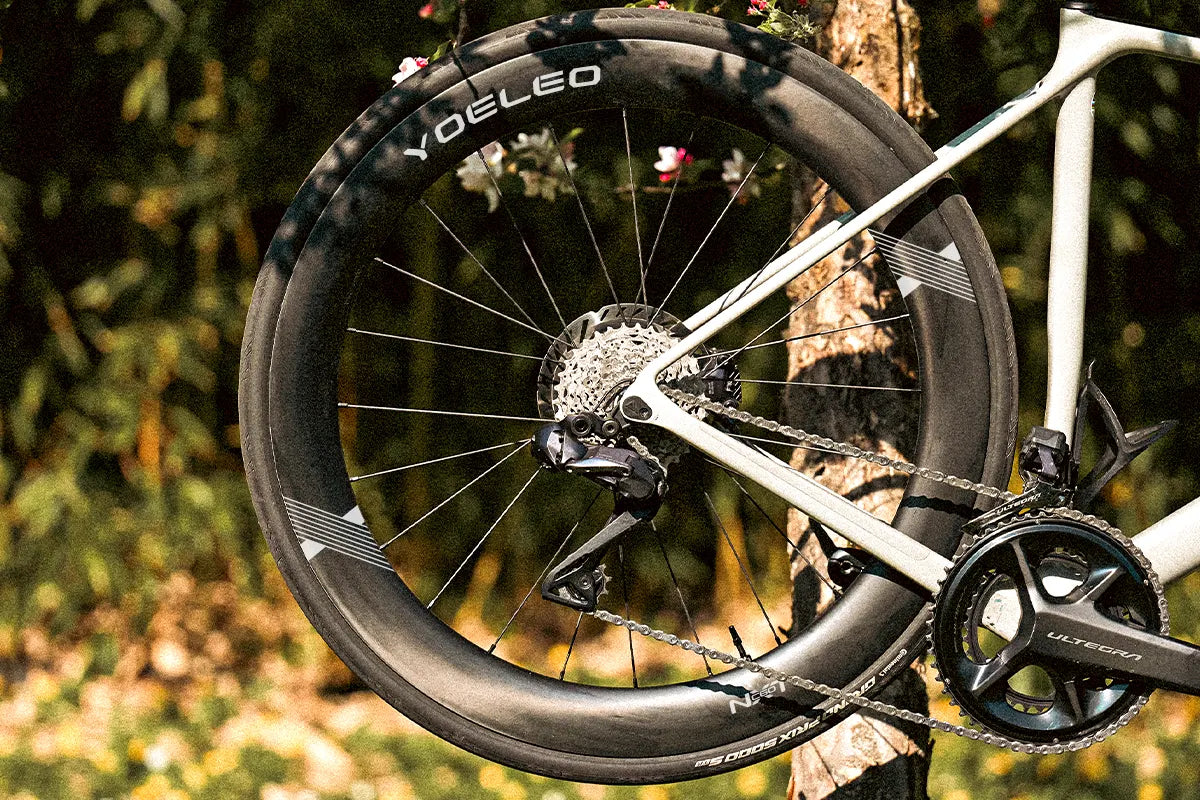
C35 vs C50 vs C60: How to Choose Carbon Wheel Depth
Read moreabout C35 vs C50 vs C60: How to Choose Carbon Wheel Depth
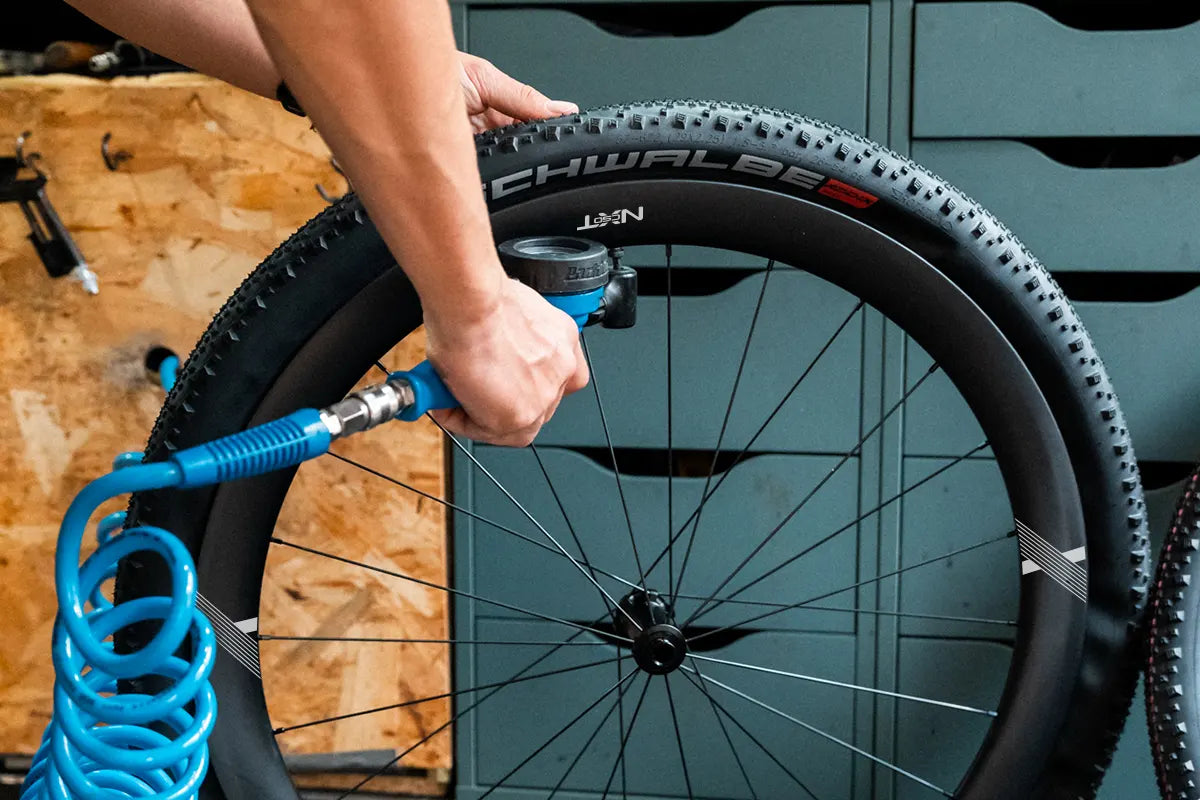
Tire Pressure by Rider Weight Chart: Road & Gravel
Read moreabout Tire Pressure by Rider Weight Chart: Road & Gravel
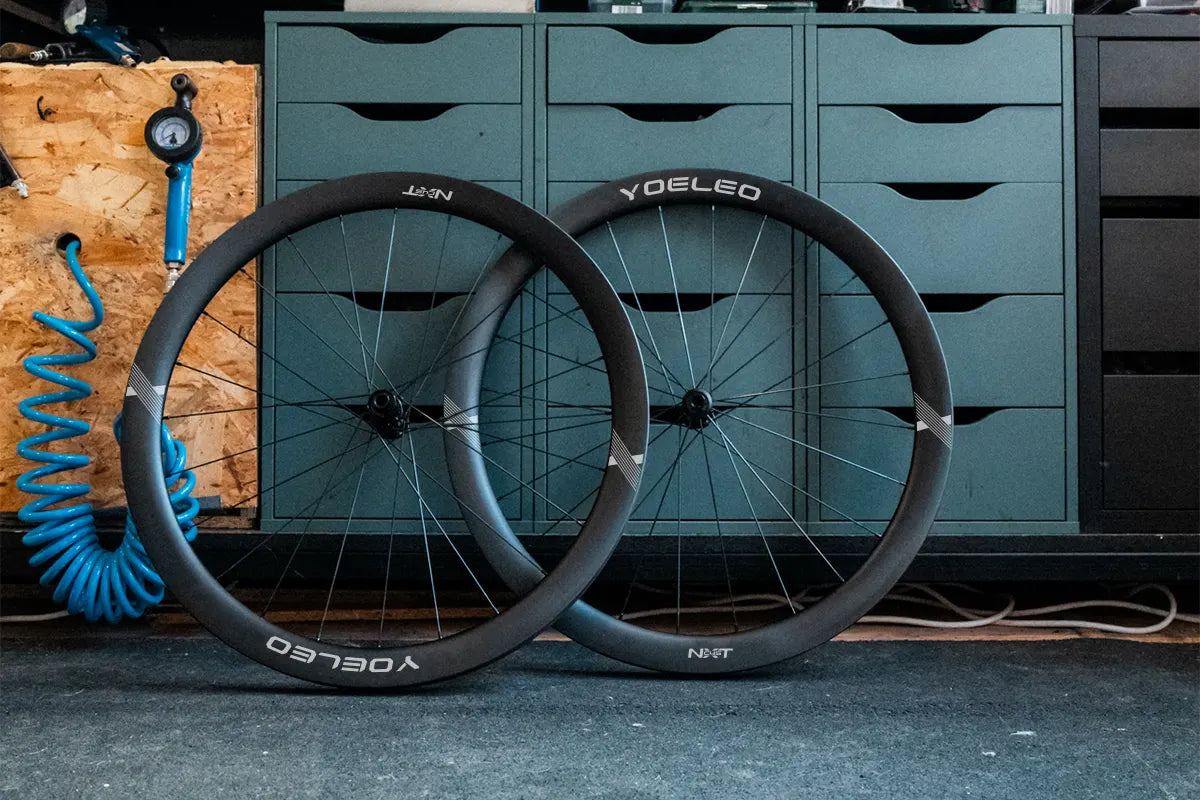
Check Hub Bearing Play: 5-Minute Home Diagnosis Guide
Read moreabout Check Hub Bearing Play: 5-Minute Home Diagnosis Guide
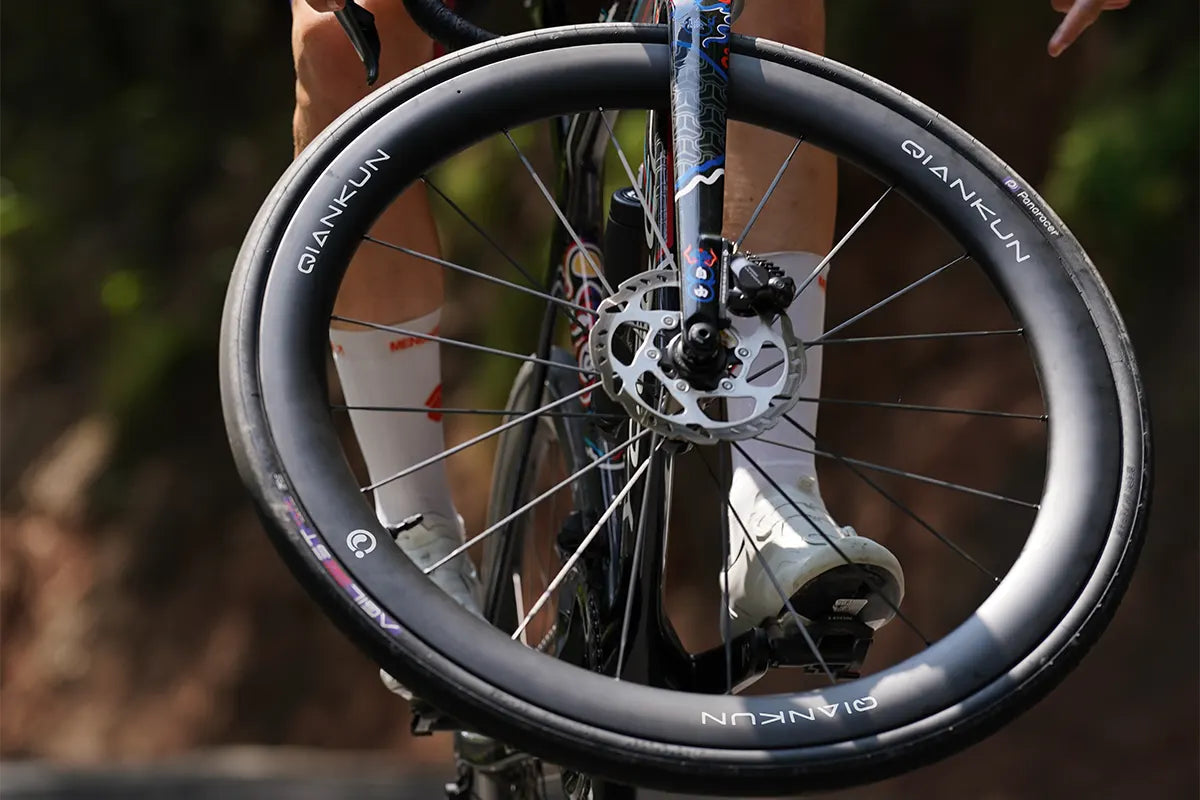
50mm vs 60mm Wheels: QianKun CS50 vs CS60

C35 vs C50: NxT SL2 Climber vs All-Rounder