
Колёса

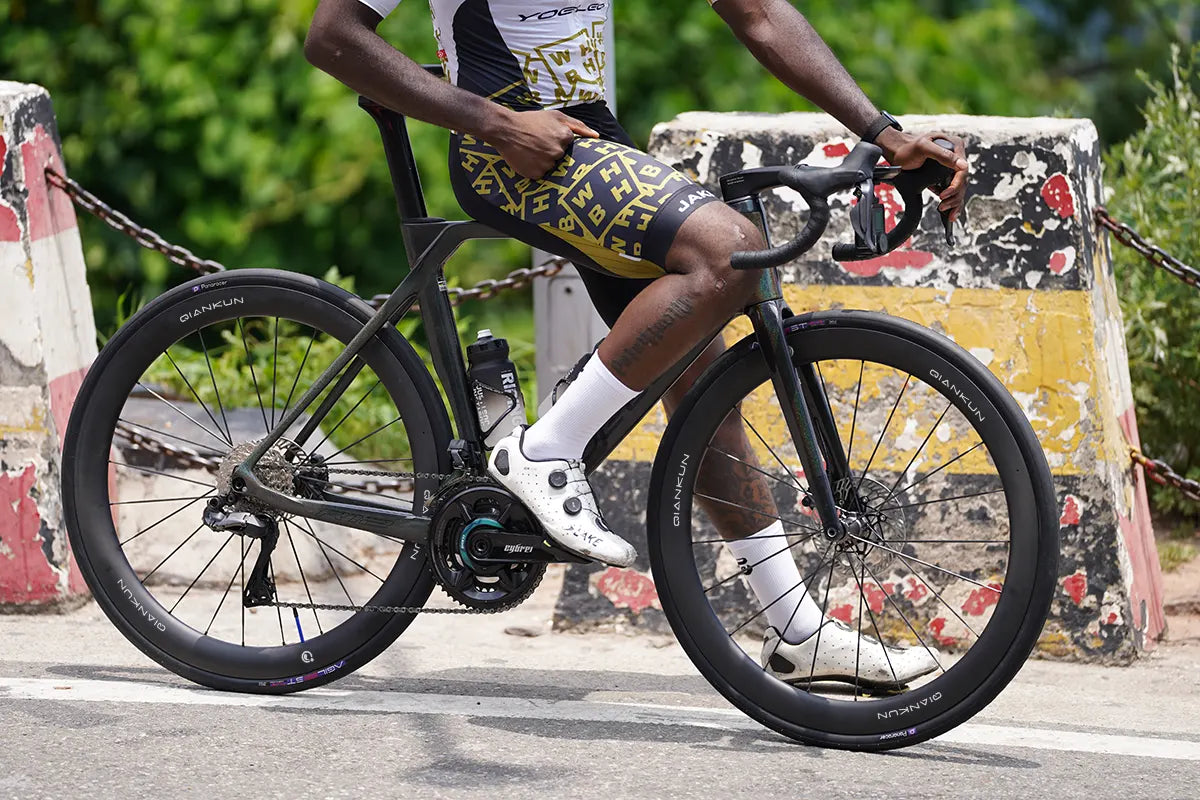
Yoeleo QianKun CS50 deep rim carbon wheelset

Wheel Spokes & Ride Feel: What Spoke Choice Really Does
SPOKES AND RIDE FEEL IN 30 SECONDS
• Spoke material (steel vs carbon), count, cross-section (round vs bladed), and lacing pattern all affect stiffness, vibration damping, and durability.
• Fewer spokes generally means a stiffer, lighter wheel — but with less redundancy if one spoke is damaged.
• Brass nipples are heavier than alloy but more corrosion-resistant and more durable over time — the choice matters most in wet climates and after years of service.
• Individually replaceable spokes change the long-term ownership equation: a single damaged spoke means a repair, not a wheel replacement.

Читать далеео Wheel Spokes & Ride Feel: What Spoke Choice Really Does

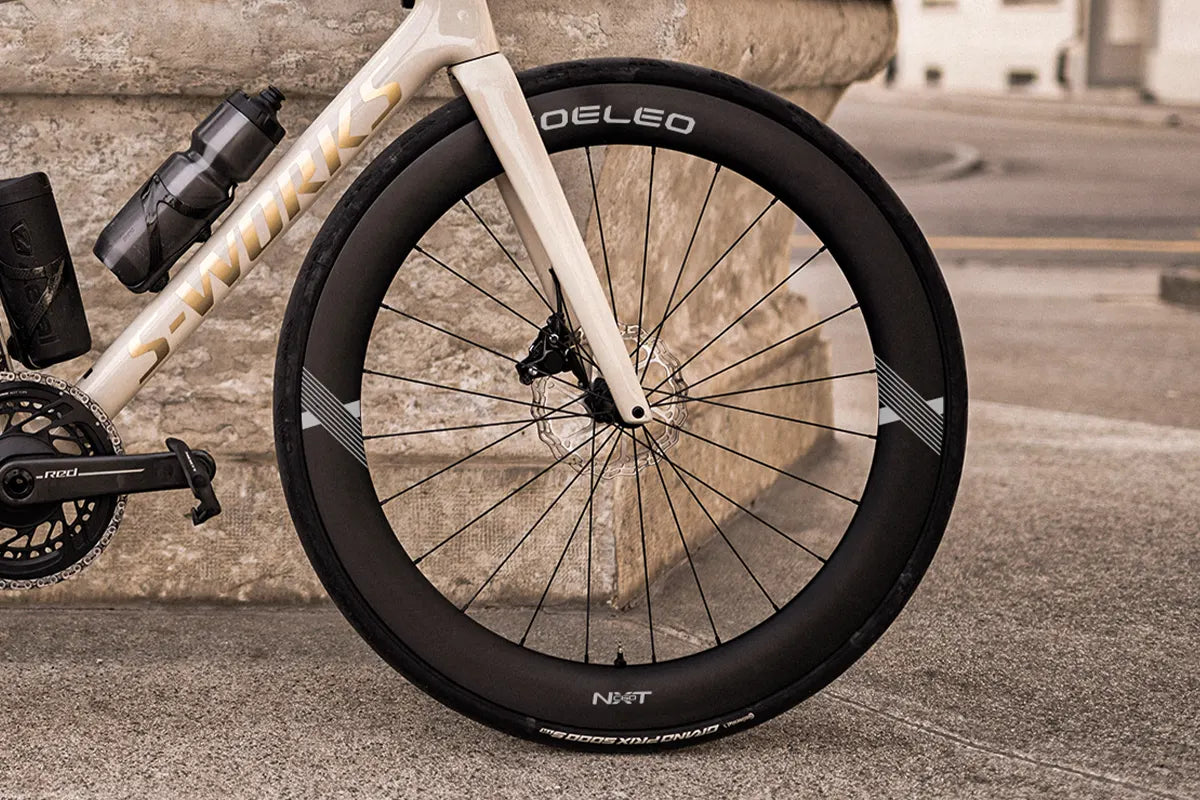
Yoeleo NxT SL2 C60 outside medium close-up

Wheel Fatigue Testing Explained: What the Numbers Mean

WHEEL TESTING IN 30 SECONDS
  • ISO 4210 is the international safety standard for commercial bicycle wheels. Passing its baseline protocols is a legal minimum for market entry, not a badge of performance excellence.

  • Fatigue testing (cycles and force) simulates thousands of pedal strokes to ensure a wheel's spoke bed, rim layup, and hub flanges can handle repeated riding loads without cracking over time.

  • Impact testing (joules) measures a rim’s structural response to sudden, severe strikes like hitting potholes or square-edged curbs. Both the ISO 4210 protocol and the UCI vertical impact standard (required for mass-start racing) utilize a baseline threshold of 40 Joules.

  • The critical question for any premium wheel data: What exact load threshold was used, how many production samples were tested, and were the figures independently verified?

Читать далеео Wheel Fatigue Testing Explained: What the Numbers Mean
Yoeleo NxT SL2 wheelset decal close-up shot

How to Read Wheel Reviews Without Getting Fooled
WHEEL REVIEWS IN 30 SECONDS
• The most important question before trusting a review: was the product self-purchased or supplied by the brand?
• Measured data (spoke tension, lateral trueness, actual weight) is far more reliable than subjective impressions — look for reviewers who use instruments, not just words.
• Sample size matters enormously: a review of one wheel tells you about that wheel, not about production consistency.
• Independent channels that buy their own product and publish negative findings when they find them are the highest-credibility source in the market.

Читать далеео How to Read Wheel Reviews Without Getting Fooled

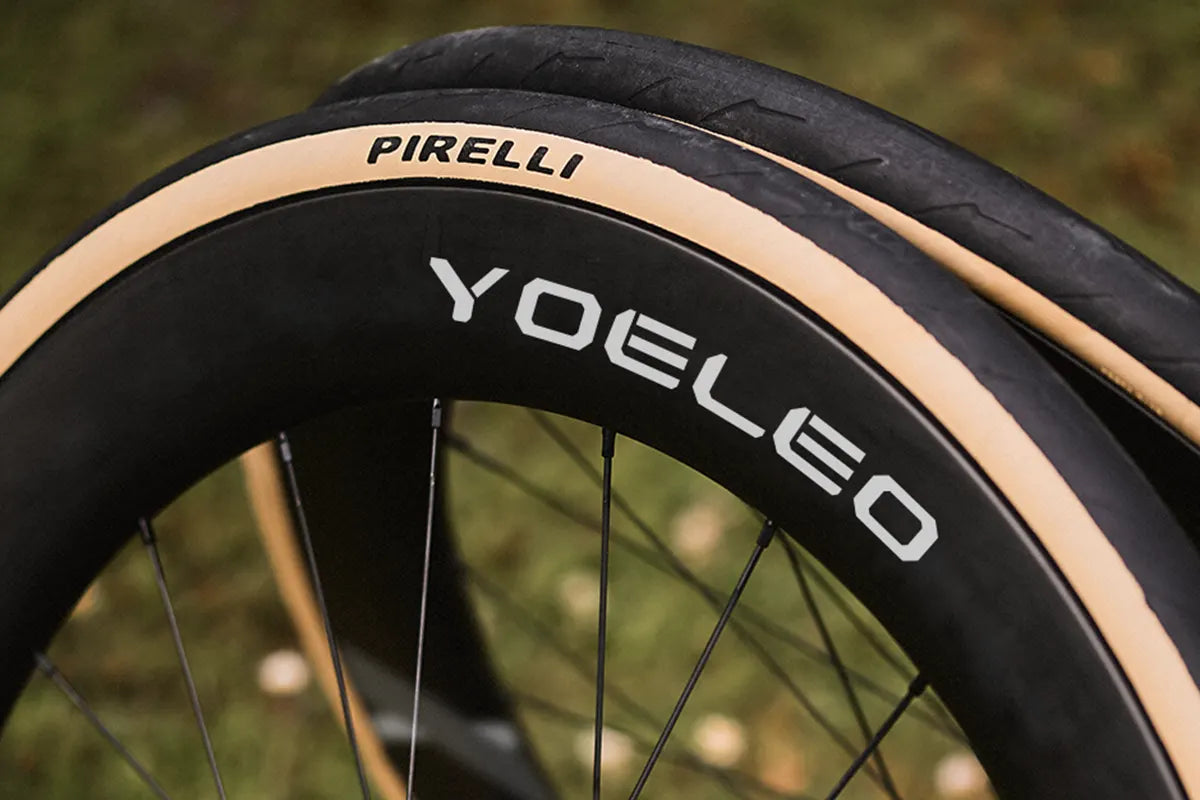
Yoeleo NxT SL2 C60 with 28c tire close-up

Internal Rim Width & Real Tire Size: The Full Guide
INTERNAL RIM WIDTH IN 30 SECONDS
• A tire's stated size (e.g., 28c) is measured on an ETRTO reference rim that may be narrower than your actual wheels — your real inflated width will be different.
• For every 1mm increase in internal rim width above the reference, expect roughly 0.4–0.6mm increase in inflated tire width.
• Wider internal widths improve traction, comfort, and cornering feel — but can reduce aerodynamic benefit if the rim-to-tire width ratio is wrong.
• The current best-practice matching rule: internal rim width should be 70–85% of the inflated tire width for road riding.

Читать далеео Internal Rim Width & Real Tire Size: The Full Guide

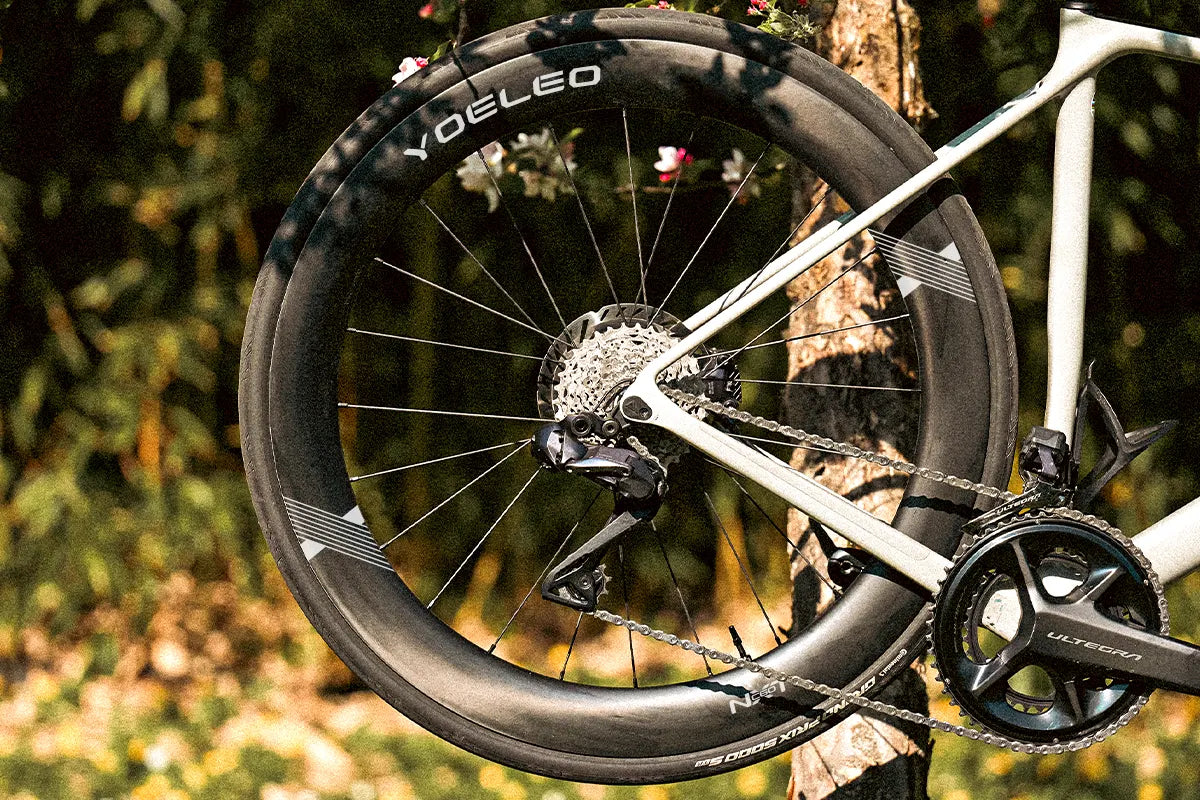
Yoeleo NxT SL2 C50 close-up

Your First Carbon Wheelset: How to Pick the Right Depth
FIRST CARBON WHEELSET IN 30 SECONDS
• 35–40mm: lightest, most versatile, best in crosswinds — the right call for most first-time buyers
• 50mm: the sweet spot for all-round road riding, meaningful aero gain, manageable crosswind behaviour
• 60mm+: genuine flat-terrain aero, but less forgiving in wind and demands more rider confidence
• Tubeless compatibility and disc brake compatibility matter more than depth — confirm both before buying

Читать далеео Your First Carbon Wheelset: How to Pick the Right Depth

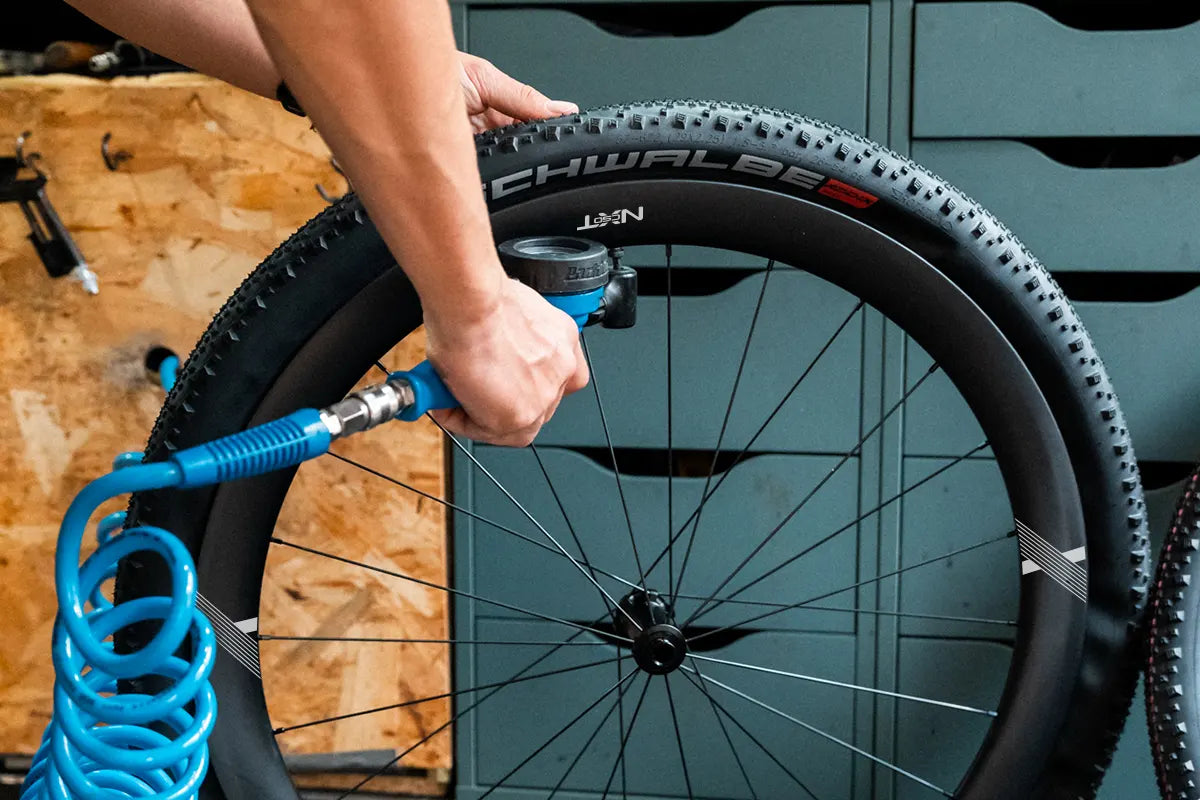
Yoeleo NxT SL2 C60 detail medium close-up

C35 vs C50 vs C60: How to Choose Carbon Wheel Depth
The NxT SL2 range offers three depths that look similar on a spec sheet and completely different on the road. Forty-six grams separates the C35 from the C60. That is less than a full water bottle. But those 46 grams sit...

Читать далеео C35 vs C50 vs C60: How to Choose Carbon Wheel Depth

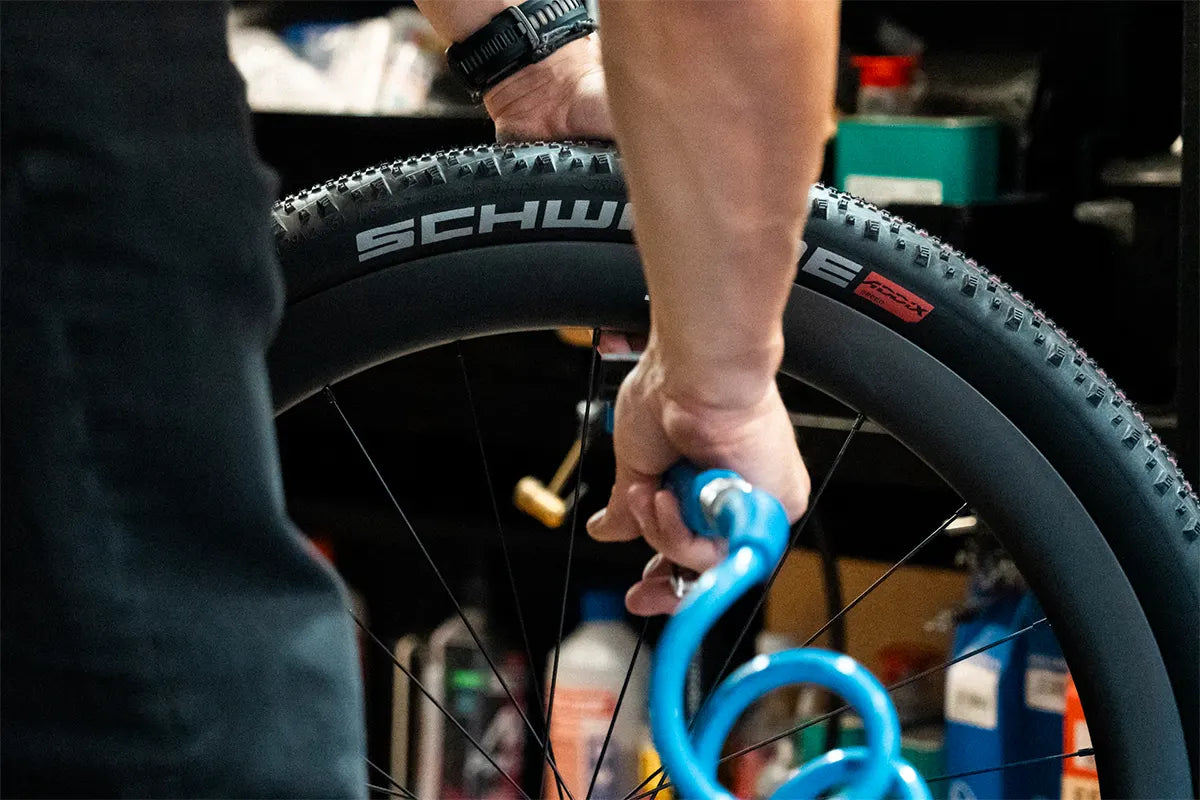
Rider inflating the gravel tire for the correct preassure point

Tire Pressure by Rider Weight Chart: Road & Gravel
TIRE PRESSURE IN 30 SECONDS
• Heavier riders need higher pressure; lighter riders need less — a 90 kg rider and a 60 kg rider on the same tire should not run the same PSI.
• Wider tires run lower pressure for equivalent feel — a 32c gravel tire runs 15-20 PSI lower than a 25c road tire at the same rider weight.
• Tubeless tires can run 5-8 PSI lower than tubed equivalents at the same weight — sealant prevents pinch flats at lower pressure.
• These numbers are starting points — ride feel, not a chart, should be the final calibration tool.

Читать далеео Tire Pressure by Rider Weight Chart: Road & Gravel

Person Inflating tubeless tire on Yoeleo wheelset

Tubeless Burping Fix: Solve Seating & Sealant Problems
TUBELESS PROBLEMS IN 30 SECONDS
• Tyre won't seat: the bead cannot form an air seal against the rim bed because there is insufficient volume or speed of air flow — fix with a floor pump blast, a tubeless inflator, or a compressor at the valve core removed.
• Burping at low pressure: the bead is not fully locked into the bead shelf — fix by seating the tyre at higher pressure first, then bringing it down to riding pressure after the bead audibly snaps into place.
• Sealant not sealing: the puncture is larger than the sealant's particle size can bridge, the sealant has dried out, or the tyre is not spinning to distribute it — fix by adding fresh sealant and riding or rotating the wheel.
• Tape and valve integrity are the most overlooked causes of persistent failures — verify both before blaming the tyre or the rim.

Читать далеео Tubeless Burping Fix: Solve Seating & Sealant Problems

Person recieving their new Yoeleo wheels

Star Ratchet Freehub Service: Clean & Regrease at Home

STAR RATCHET SERVICE IN 30 SECONDS
• A star ratchet freehub uses two interlocking toothed rings held under spring tension — NOT individual spring-loaded pawls. Understanding the mechanism makes the service intuitive.
• The service interval is 3,000–5,000 km in dry conditions, shorter in wet or muddy riding. A sticky or delayed engagement is the first symptom of a service-overdue hub.
• Grease viscosity controls the character of the freehub: thick grease (e.g., Phil Wood Waterproof) makes it quieter but slightly slower to engage; thin grease or light oil makes it faster and noisier.
• The service requires no specialist tools — a cassette lockring tool, chain whip, and hex keys are sufficient for most hub designs.

Читать далеео Star Ratchet Freehub Service: Clean & Regrease at Home